Craving a neighborhood with real character, live music, leafy parks, and easy access to the city’s best museums? University City offers a lively mix of culture, walkable dining along the Delmar Loop, and established residential streets just minutes from Forest Park. If you are weighing a move, you likely want to know how daily life feels, what homes cost, how you will get around, and what to expect for schools and safety. This guide breaks it down so you can decide if U. City fits your lifestyle and budget. Let’s dive in.
Where University City sits
University City is an independent municipality in St. Louis County, immediately west and northwest of the City of St. Louis. It borders Washington University and Forest Park, with the Delmar Loop as its signature commercial spine along Delmar Boulevard. The Loop is a major activity hub, known for music venues, restaurants, and independent shops that draw both locals and visitors. You can explore the district’s background and landmarks in the Delmar Loop overview.
The city counts just over 34,000 residents, based on the latest U.S. Census estimates, with a high share of adults holding college degrees and a mix of families, retirees, and students who are drawn by nearby Washington University. For at‑a‑glance numbers on population, age, education, and households, check Census QuickFacts for University City.
The Delmar Loop lifestyle
If you picture a weekend in U. City, you likely picture the Loop. Along a compact, pedestrian-friendly stretch of Delmar, you will find casual eateries, nightlife, live music, and long-running local favorites. Many residents plan date nights, meetups, and after‑work hangs around the Loop because you can park once and enjoy multiple spots on foot.
A few name-checks that help define the scene: the iconic Blueberry Hill for burgers, memorabilia, and shows in the Duck Room; The Pageant for big-ticket concerts; Fitz’s Root Beer for family-friendly dining and a working bottling line; the Moonrise Hotel and the historic Tivoli Theatre site for neighborhood character. Seasonal programming and district events add to the buzz, with the East Loop Community Improvement District coordinating festivals and promotions along the corridor. Keep an eye on event updates through the East Loop CID.
Daily conveniences nearby
While the Loop covers dining and entertainment, everyday errands are spread across several corridors. Olive Boulevard and the University City Square area offer grocery and service clusters. You can live car-light near the Loop, but many residents still rely on a vehicle for larger shopping trips.
Parks, culture, and green space
Living in University City puts you minutes from Forest Park, one of the country’s great urban parks. The park’s free or low-cost institutions make weekend planning easy for families and culture fans. Highlights include the Saint Louis Art Museum, the Missouri History Museum, the Saint Louis Zoo, the Science Center, and outdoor performances at The Muny.
Inside U. City, Heman Park is the largest park and a true community hub. It includes athletic fields, courts, walking paths, a seasonal pool complex, and a recreation center. If you like active amenities or just a big green space close to home, explore what the city offers at Heman Park.
Getting around: walkability, rail, and the trolley
Walkability in University City is very block dependent. If you live on or near the Delmar Loop and close to MetroLink, you can run many errands on foot and enjoy a high-walk-score lifestyle. Farther from Delmar, the feel becomes more residential, with sidewalks and tree-lined streets where you will likely drive for larger errands.
Two nearby MetroLink stations serve U. City residents: Delmar Loop and Forest Park–DeBaliviere. These stops connect you to the Central West End, downtown, and the airport connection. If rail access is on your must-have list, review the MetroLink system overview for St. Louis.
You will also see a seasonal heritage streetcar running along parts of Delmar. The Loop Trolley typically operates Thursday through Sunday on a limited schedule and functions as a visitor-friendly connector between the Loop and Forest Park. Schedules vary by season and year, so check the Loop Trolley site before you plan an outing.
Housing styles and what homes cost
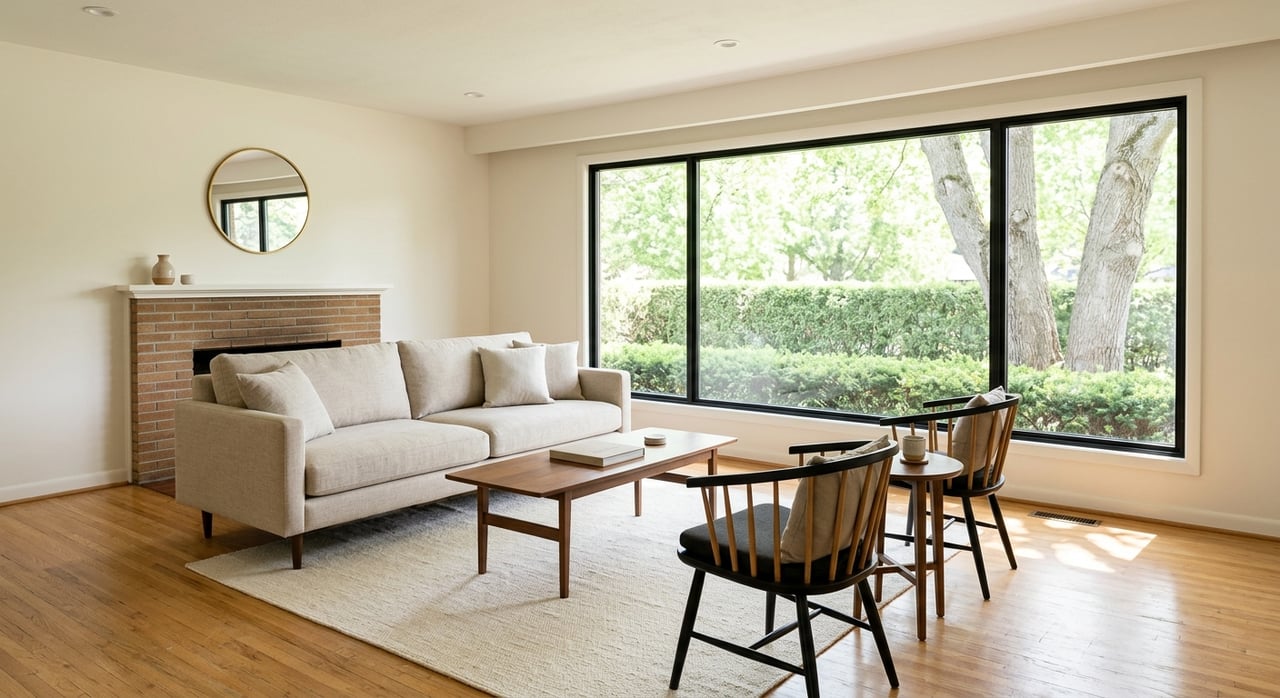
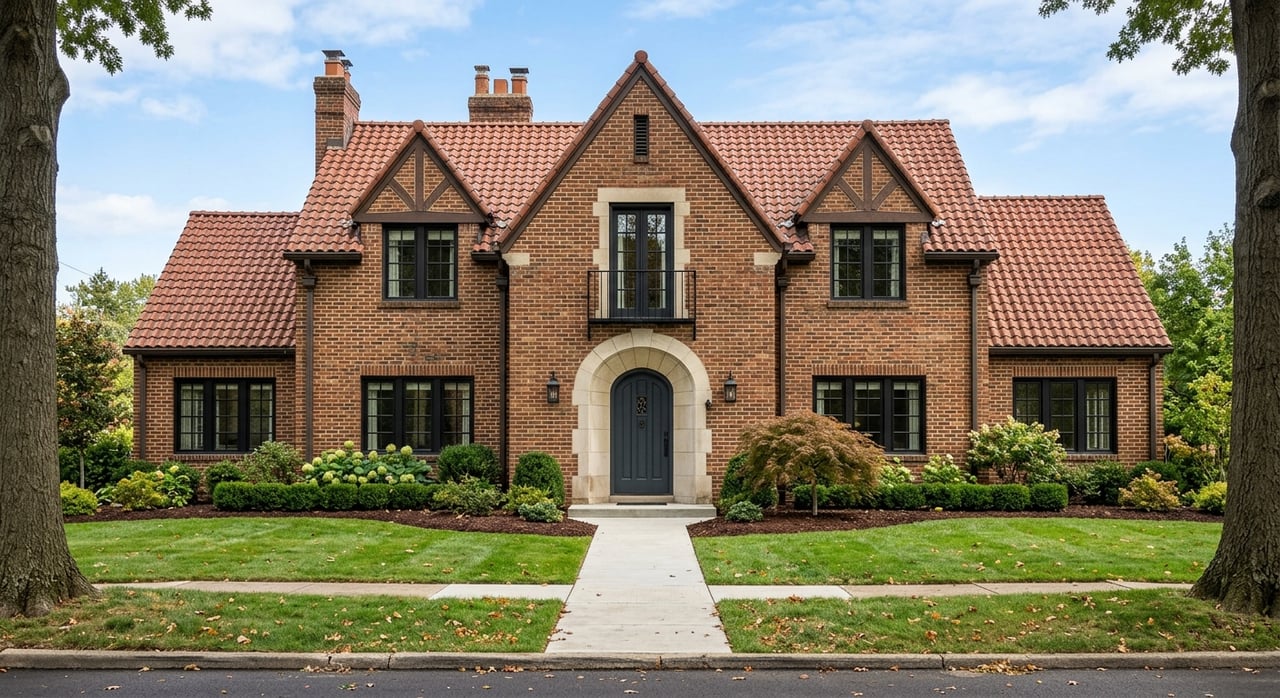
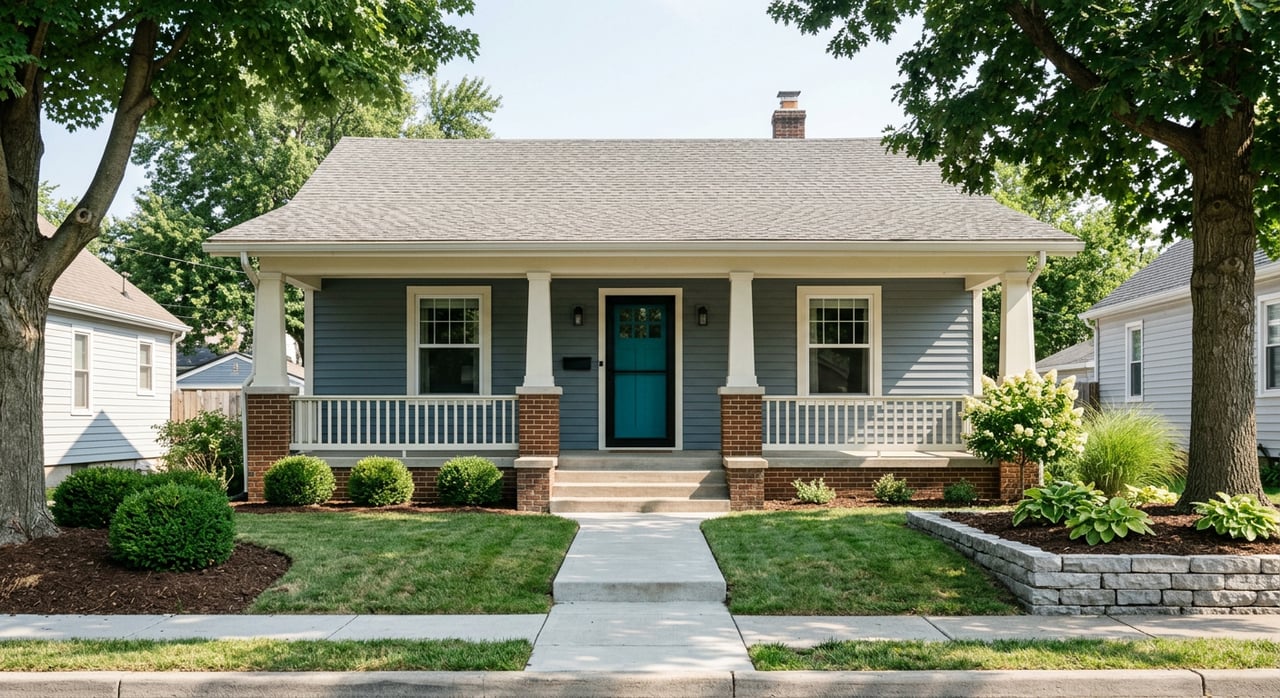
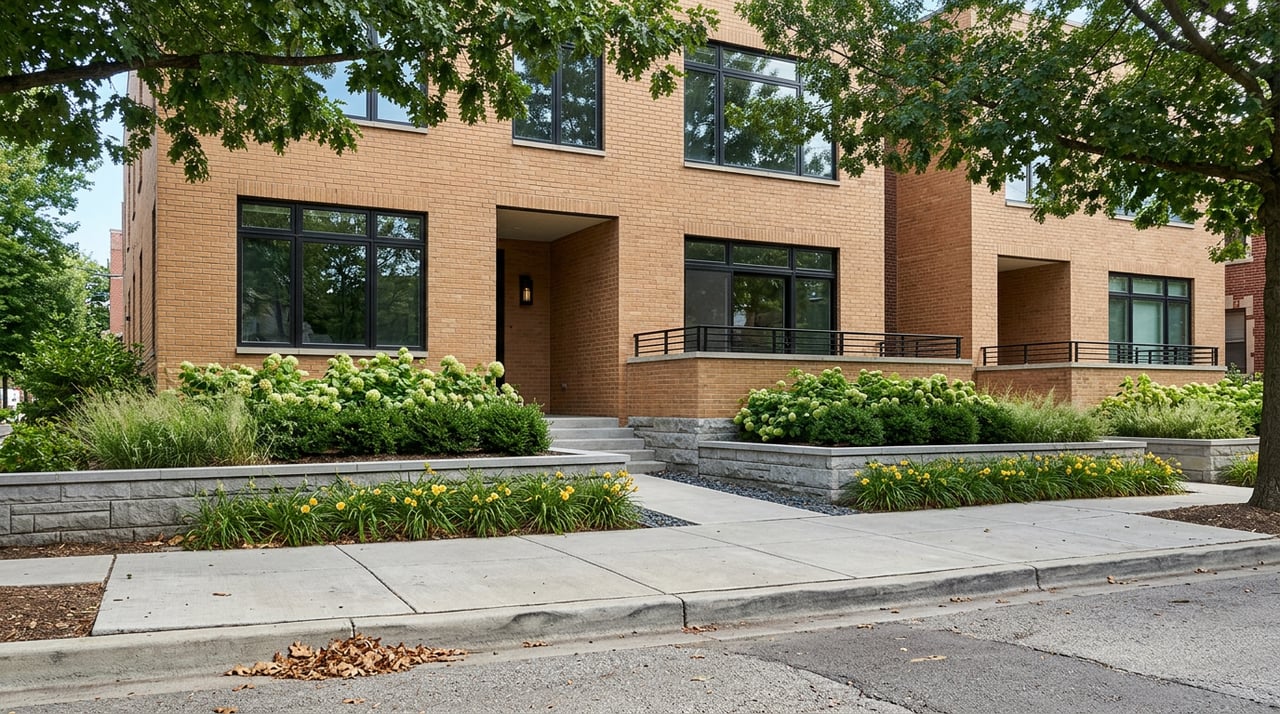
You will find a mix of early 20th‑century single-family homes, brick Tudors and cottages, bungalows and mid-century ranches, along with small apartment buildings, duplexes, and a handful of newer condos or infill homes. The character can change block by block. Near the Loop and close to Washington University, you will see more rental buildings and smaller units that appeal to students and young professionals. Farther north and west, you will find quieter streets and a wider range of home sizes.
Typical listing data from major housing portals shows central values in the low-to-mid $200,000s for many University City homes, with meaningful variation by micro‑neighborhood and condition. You will see entry-level condos and smaller houses cluster near that range, while renovated historic homes and properties close to Forest Park or the Loop can command higher prices. Because different portals report different medians and the market shifts through the year, use current local comps when you get serious about a specific address.
Renters will find many apartments near the Loop in the roughly 1,400 to 1,700 dollars per month band for common layouts, with larger family units pricing above that. Exact rents depend on building, unit size, and timing. If you aim to live steps from the Loop, start early, especially around the academic calendar.
Schools and learning
University City School District serves local elementary, middle, and high school students. Parent reviews and third-party ratings vary by campus, so it is important to research schools that fit your needs and confirm attendance boundaries for any home you consider. To compare programs and see parent feedback, browse the district’s page on GreatSchools. For private or charter options, many families also look more broadly across St. Louis City and County.
Safety and peace of mind
Like many inner-ring communities, University City sees different safety profiles from block to block. Areas near the Loop and Forest Park are lively and well-trafficked. In some residential pockets, residents and police note property crime, including theft from vehicles, as a continuing concern. Third‑party crime comparisons often rank U. City above the national median for combined violent and property crime, with property crime driving much of the gap.
If safety is a key factor for you, review current, local data and take common-sense steps. The University City Police Department publishes a Weekly Incident Report so you can see recent activity by location and type. You can also explore neighborhood watch programs, follow city updates, and use basic precautions like locking vehicles and keeping valuables out of sight. For department contacts and programs, start with the city’s Police pages.
Who University City fits
- Students and recent grads. If you want nightlife, live music, and short walks to venues, Loop‑adjacent blocks offer a built-in social scene and easy access to MetroLink.
- First-time and move-up buyers. The city’s mix of housing types creates options at several price points, from smaller bungalows to renovated historic homes.
- Families and long-term locals. Proximity to Forest Park, Heman Park, and year-round cultural institutions supports an active, family-friendly routine.
- Car-light commuters. Rail access at Delmar Loop and Forest Park–DeBaliviere helps if you commute to the Central West End, downtown, or connect to the airport line.
Tips for choosing your spot
- Map your daily routine. Note your most frequent destinations and test drive or train-ride the route at your typical times.
- Focus on micro‑neighborhoods. Walkability, parking, and noise levels change quickly from one block to the next. Tour during the day and evening.
- Budget by bands, not averages. Use the low-to-mid $200,000s as a general reference point for many homes, then adjust for location, size, and renovation level.
- Time your search. If you want to be near the Loop or close to campus, start early before academic turnover.
- Balance car-light living with errands. The Loop is great for dining and entertainment, but you will likely use Olive Boulevard or nearby corridors for bigger shopping trips.
The bottom line
Life in University City blends a true neighborhood feel with a one-of-a-kind entertainment corridor, major cultural institutions minutes away, and a housing stock with real architectural charm. If you like the idea of grabbing dinner on Delmar, catching a show, and spending Saturday in Forest Park, U. City puts that lifestyle within easy reach. The tradeoffs are typical of vibrant inner-ring suburbs: walkability that varies by block, some reliance on a car for larger errands, and a need to stay aware of local safety patterns.
When you are ready to tour, compare micro‑neighborhoods, and get the latest pricing and comps, connect with Mary Krummenacher. Get Access To Our Private Listings and let our team match you with the right home and the right street.
FAQs
Is University City, MO a walkable place?
- Walkability is highest around the Delmar Loop and MetroLink stations, where many errands and dining options are a short walk; residential pockets farther from Delmar are more car dependent.
What is the commute like from University City to downtown St. Louis?
- MetroLink stations at Delmar Loop and Forest Park–DeBaliviere connect to downtown and the airport line, while drivers can reach downtown via major arterials in typical St. Louis traffic.
What are the main attractions on the Delmar Loop?
- The Loop features restaurants, live music venues, independent shops, and landmarks like Blueberry Hill, The Pageant, Fitz’s Root Beer, and the historic Tivoli Theatre site as noted in the Delmar Loop overview.
How much do homes and rentals cost in University City?
- Recent portal snapshots show many home values in the low-to-mid $200,000s, with higher prices near Forest Park and the Loop; typical rents for many apartments near the Loop often range from about 1,400 to 1,700 dollars per month.
Are there parks and cultural institutions nearby?
- Yes. Forest Park is minutes away and includes free or low-cost anchors like the Saint Louis Art Museum, plus the Saint Louis Zoo, Missouri History Museum, Science Center, and The Muny.
How can I check recent crime and safety information for University City?
- Review the city’s Weekly Incident Report for up-to-date local data and explore neighborhood watch programs through the Police Department.
What should families know about schools in University City?
- The University City School District serves local students; ratings and programs vary by campus, so review options and attendance zones on GreatSchools and confirm details for any address you consider.