If you are drawn to old houses with real personality, University City deserves a close look. This is a place where block-by-block character, early 20th-century design, and varied architecture can shape your search in a meaningful way. If you want charm but also need a home that works for everyday life, understanding how University City’s historic housing stock fits together can help you shop smarter. Let’s dive in.
Why University City stands out
University City has long attracted buyers who want more than a basic floor plan and a fresh coat of paint. According to the City of University City, the community is known for architecturally distinct housing, inviting streetscapes, and a broad range of housing styles.
That variety is not accidental. The city’s early planning history shows that areas like University Heights Number One were intentionally designed with different lot sizes, home styles, and price points, which helps explain why older homes here often feel thoughtful rather than random.
If you are shopping for character, that matters. In University City, you are not just looking at one “historic neighborhood” type. You are exploring a layered housing market with different eras, streetscapes, and preservation considerations, supported by the city’s Historic Preservation program.
What character homes look like here
One of the biggest strengths of University City is how much architectural variety it packs into a relatively concentrated area. The city’s historic districts and landmarks map identifies several notable historic areas, including Parkview, Maryland Terrace, Linden-Kingsbury, University Heights Number One, and others.
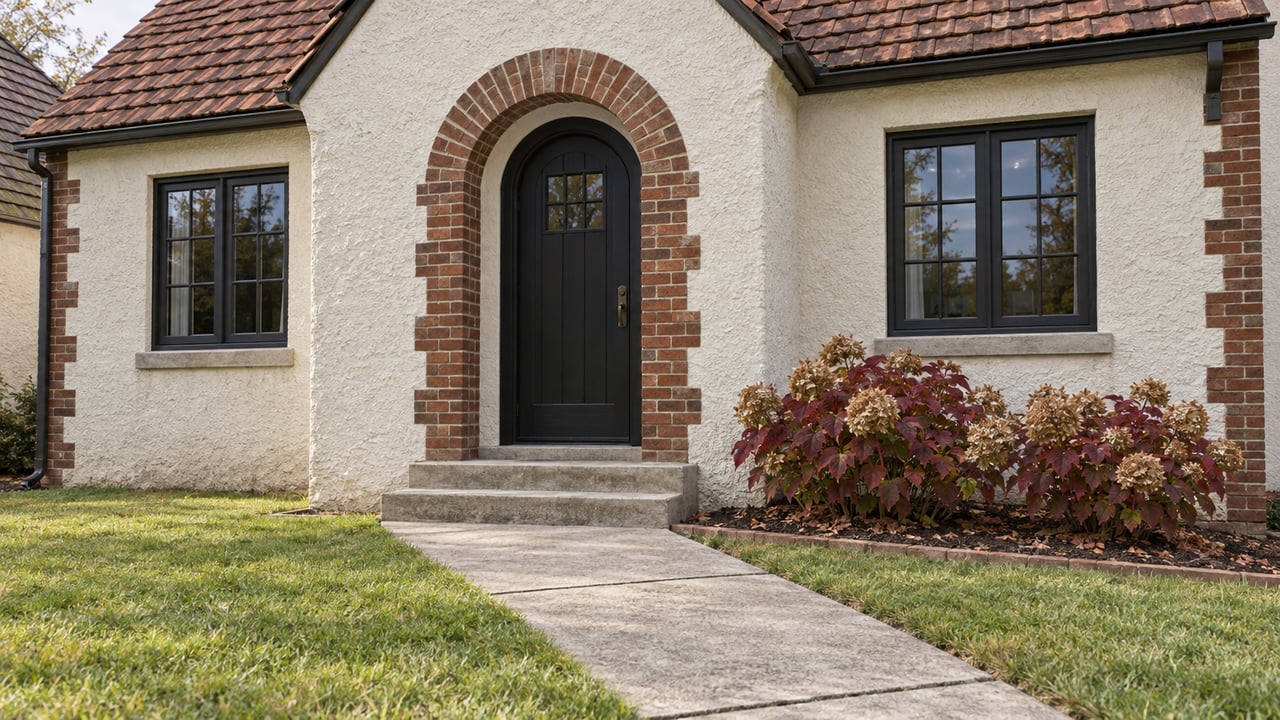
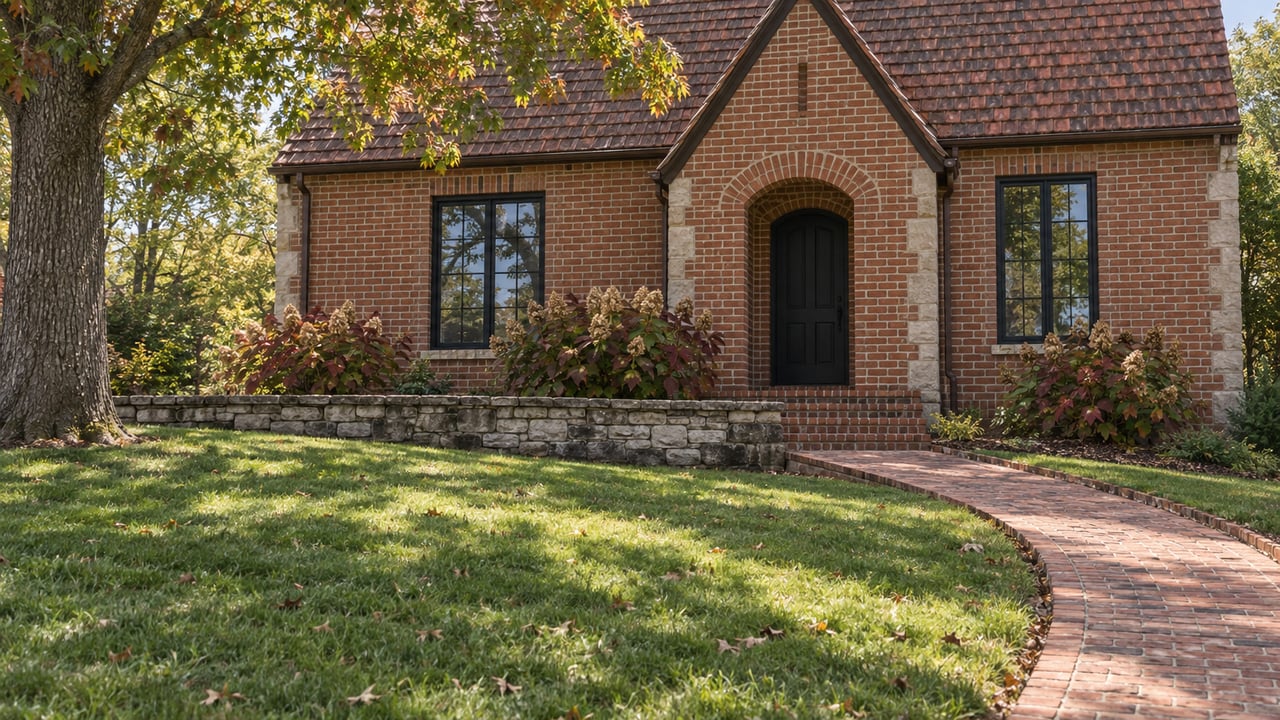
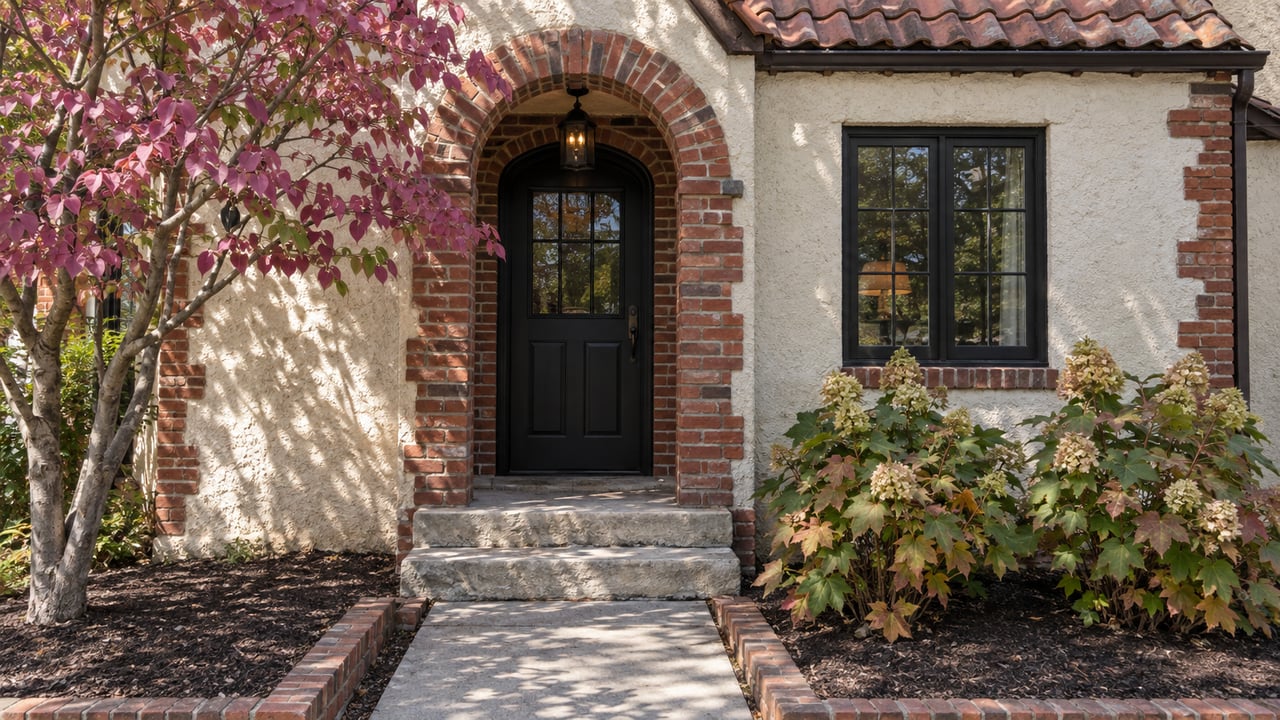
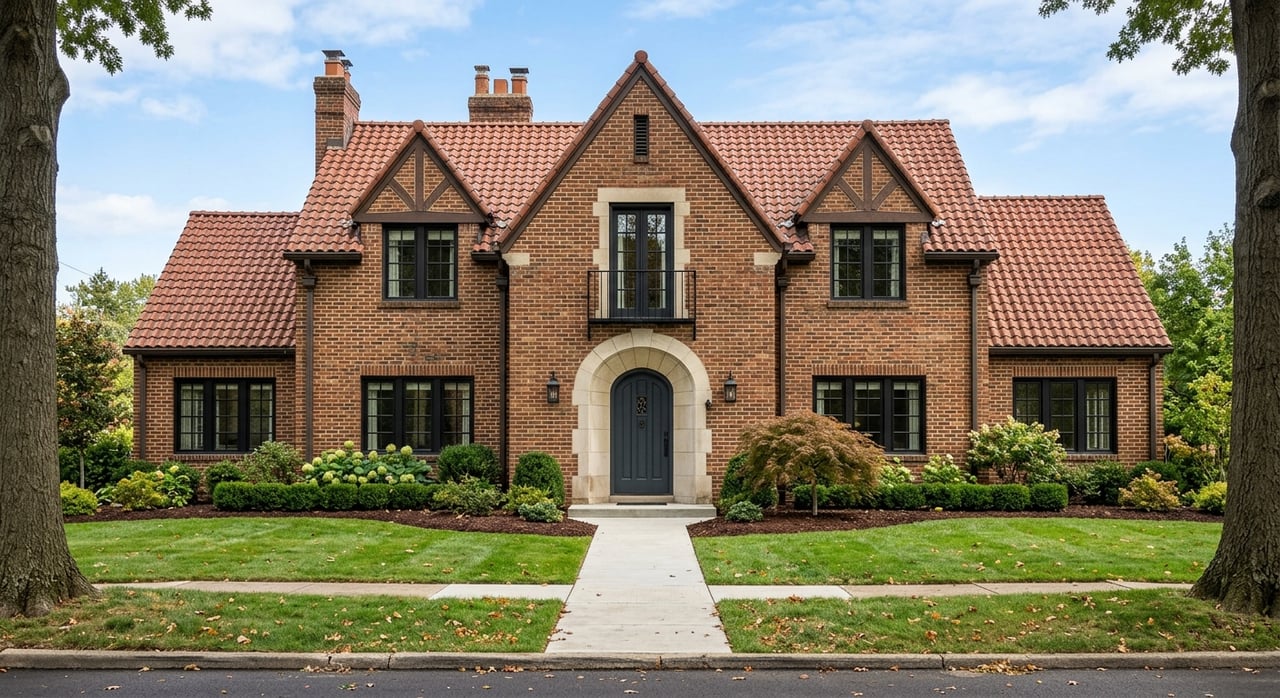
That means your version of “character” can look very different depending on where you search. You may be drawn to a Tudor Revival home with steep rooflines, a Craftsman-influenced bungalow, or a Colonial Revival house with a more formal exterior.
Parkview homes
Parkview is one of the clearest examples of a cohesive early-20th-century streetscape in University City. Local standards describe development from 1905 to 1934 with strong visual continuity, and the district is especially associated with Bungalow/Craftsman and Tudor Revival architecture, according to the Parkview district standards.
If you love the idea of a neighborhood where the whole block feels intentional, Parkview is a strong example. Here, the visual relationship between homes, setbacks, and streetscape can matter almost as much as the features inside a single property.
Maryland Terrace homes
Maryland Terrace offers another kind of historic appeal. A National Register document from Missouri State Parks notes that the district includes 206 brick and stucco houses, with examples dating to 1913 and styles that include Tudor Revival, Colonial Revival, and Minimal Traditional, along with some Craftsman and Italian Renaissance influences.
That mix is useful if you want historic charm without expecting every house to look the same. In practical terms, Maryland Terrace shows how University City can offer older homes with personality across several architectural expressions.
Linden-Kingsbury homes
Linden-Kingsbury reflects a different historic texture. Its local standards describe a district with many wood shingle and lapped wood siding homes, along with some half-timber and stucco or brick examples, as outlined in the Linden-Kingsbury code.
For buyers, this district helps illustrate an important point. University City’s character is not only about age. It is also about scale, roof shape, materials, and how each house fits the surrounding streetscape.
How to shop for charm wisely
It is easy to fall in love with original trim, a front porch, leaded glass, or a beautiful masonry exterior. But when you buy an older home, charm should be only part of the decision.
The smartest approach is to look at character and function side by side. In many cases, the best opportunity is a home whose original design details are worth preserving, but whose major systems have already been updated or can be improved without fighting the home’s identity.
Look beyond cosmetic appeal
A great facade can distract you from expensive systems. University City’s building code highlights permit-triggering work for roofing, water, sewer and drainage, electrical, mechanical, plumbing, and glazing changes such as windows and skylights, all of which are outlined in the city code requirements.
Those are the areas that often affect your real budget after closing. When you tour a property, it helps to think past the finishes and ask how the roof, windows, plumbing, electrical, and HVAC align with the home’s age and condition.
Research the home’s history
One advantage of shopping in University City is that older homes can often be researched in a meaningful way. The Historical Society of University City offers a Century Home program for properties that are at least 100 years old and points owners toward digitized building permits and permit applications.
That gives you a practical way to learn more before or during due diligence. If a home has documented age, permit history, or long-standing architectural features, you can make a more informed decision about both preservation and renovation.
What to inspect in older homes
Older homes can be wonderful, but they require a more careful eye. If you are buying a historic or early-20th-century property in University City, inspection planning should be especially thoughtful.
Lead-based paint risks
For older housing, lead-based paint is a key issue to keep on your radar. The EPA notes that the older the home, the more likely it is to contain lead-based paint, with pre-1978 housing being the main risk category.
Because many of University City’s signature character homes date to the early 1900s through the 1930s, this is highly relevant. That does not mean every home has a current problem, but it does mean you should ask careful questions about renovation history and condition.
Asbestos-related materials
Asbestos is another age-related concern in older housing stock. OSHA explains that asbestos-containing materials may still be found in homes built no later than 1980, while EPA guidance identifies common locations such as insulation, vinyl floor tile, roofing and siding shingles, textured paint, and pipes.
This does not automatically make an older home unsafe. It does mean that if you plan to renovate, remove materials, or update finishes, caution and proper evaluation are important.
Major systems and permits
A character home can feel move-in ready and still need system work. Roofs, drainage, electrical service, plumbing updates, and window condition often shape both comfort and long-term ownership costs.
Because the city requires permits for several major categories of work, permit history can be a useful clue about whether important updates were completed through the proper local process. It is one more reason to dig into documentation instead of relying only on appearance.
Historic district rules to know
Not every older home in University City is subject to the same review standards. That is important, because historic designation can affect what you may need to do before changing visible exterior features.
In districts like Parkview, Historic Preservation Commission review may apply to visible additions, exterior alterations, siding, skylights, solar panels, many window and door changes, and some front-yard landscape work, according to the Parkview standards. Linden-Kingsbury also allows ordinary maintenance with like materials, while more substantial exterior changes face tighter review.
What is usually allowed
Historic districts are not the same as a ban on upkeep. In both Parkview and Linden-Kingsbury, paint color for wood trim is not regulated, which is a helpful example of how preservation standards often focus more on scale, materials, and visible alterations than on every cosmetic choice.
That can be reassuring if you love the look of an older home but worry that every small update will become complicated. In many cases, routine maintenance is more straightforward than buyers expect.
What may be restricted
Visible window replacements, door changes, siding work, and demolition are more sensitive issues. In Linden-Kingsbury, for example, vinyl or aluminum siding is not allowed on existing wood houses, and in both Parkview and Linden-Kingsbury demolition is generally difficult unless rehabilitation is impracticable or the structure is unsound.
This is where local guidance matters. Before you buy with a renovation plan in mind, it helps to confirm whether the property sits in a district and what the standards mean for your goals.
Balancing old-house charm and modern living
For many buyers, the real question is not whether they want charm. It is whether they can keep the charm and still enjoy a practical day-to-day home.
That balance is very much part of the University City experience. The Historical Society’s design guidelines for early 20th-century homes are built around maintaining, repairing, and updating older houses while keeping their historical character intact.
In other words, you do not always have to choose between preservation and convenience. The local standards suggest that compatible updates are possible when they respect the home’s scale, materials, and overall character.
How University City compares nearby
If you are deciding between several St. Louis-area locations for a character home, University City occupies a distinct middle ground. The city offers a wide range of detached homes and historic districts, which gives you more architectural variety than some nearby alternatives.
For context, Clayton is a much smaller city that emphasizes a mix of single-family homes, condos, and multi-family apartments, while the Central West End historic district is described by St. Louis as primarily residential with apartments and flats making up much of the housing stock outside certain private streets and boulevards.
That makes University City especially appealing if you want an older detached house with a strong neighborhood feel and a broad range of historic character. It is a practical option for buyers who want preservation-minded surroundings without assuming every block or property works the same way.
Final thoughts for buyers
Shopping for a historic University City home is about more than finding pretty details. You are also evaluating how a property’s age, architecture, condition, and local rules fit your lifestyle and budget.
The right home is often the one that still feels authentic, has meaningful original features, and offers a realistic path for maintenance and updates. If you want help comparing blocks, understanding district differences, and spotting the homes where charm and function line up well, Mary Krummenacher can help you navigate the search with clear, local guidance.
FAQs
What makes University City appealing for historic home buyers?
- University City is known for architecturally distinct housing, inviting streetscapes, multiple historic districts, and a wide range of older home styles spread across the city.
What architectural styles can you find in University City historic homes?
- Buyers can find styles associated with Parkview, Maryland Terrace, and other districts, including Tudor Revival, Bungalow/Craftsman, Colonial Revival, Minimal Traditional, and some Italian Renaissance influences.
What should you inspect first in an older University City home?
- Focus on major systems and age-related issues, especially roofing, drainage, plumbing, electrical, mechanical systems, windows, lead-based paint concerns, and possible asbestos-containing materials.
What exterior changes may need review in University City historic districts?
- In some local historic districts, visible additions, siding changes, certain window and door replacements, skylights, solar panels, and other exterior alterations may require Historic Preservation Commission review.
Can you update a historic home in University City without losing its character?
- Yes, compatible updates are often possible when they respect the home’s scale, materials, siting, and defining exterior features, and when local district standards are followed.
How can you research the history of a University City house?
- The Historical Society of University City offers a Century Home program and resources that point owners and buyers to digitized building permits and permit applications for older homes.