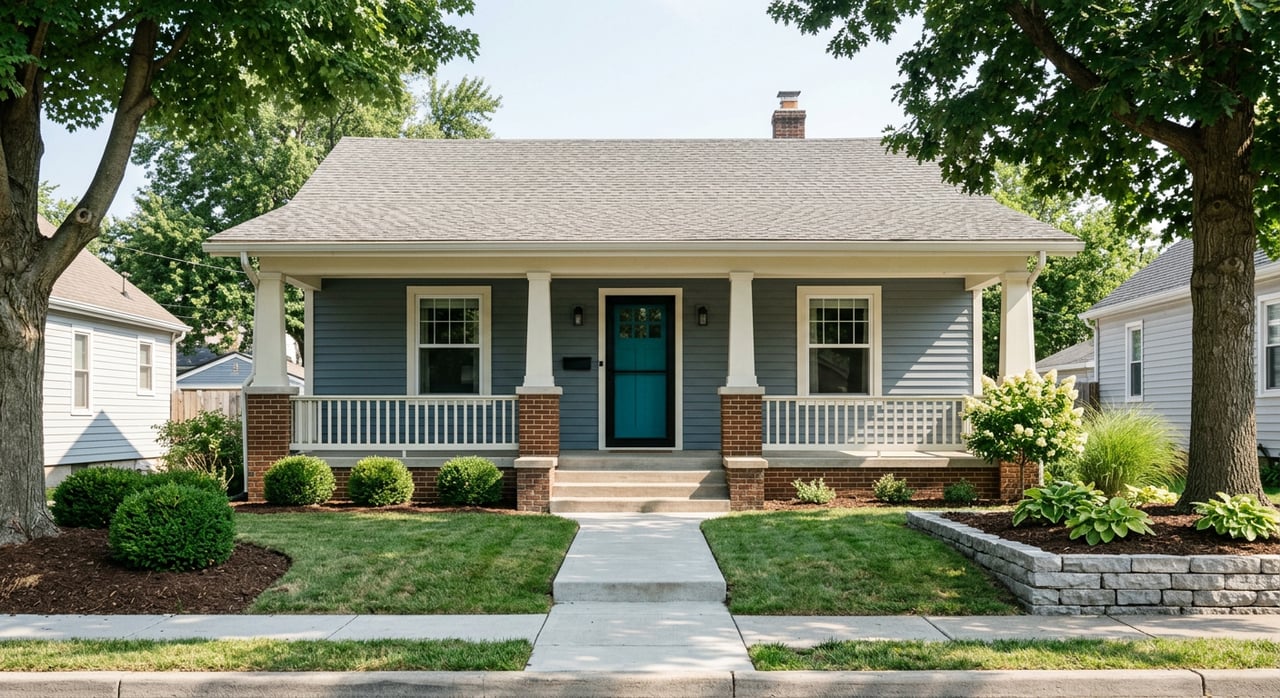
Dreaming of a red‑brick bungalow with a welcoming front porch on The Hill? You’re not alone. The Hill blends early‑20th‑century charm with a tight‑knit street grid and beloved local spots, which makes its classic homes a steady draw. In this guide, you’ll learn what these bungalows look like inside, the age‑related issues to plan for, smart renovation paths, and how to read price data so you shop with confidence. Let’s dive in.
The Hill at a glance
The Hill sits on high ground just south of Forest Park, framed roughly by Manchester to the north, Kingshighway to the east, Southwest and Columbia to the south, and Hampton to the west. The neighborhood’s roots trace to late 19th and early 20th century Italian immigrant families who built modest brick houses and enduring community institutions. You can explore the backstory in the neighborhood’s own account of its history for a helpful overview of why the area looks and feels the way it does today. The Hill’s history offers rich context.
The built environment still reads like a compact village: small single‑family lots, brick facades with thoughtful masonry details, and many homes set close to the sidewalk. Planning studies note common house types, narrow plans, and masonry fences that reflect the area’s brick and clay trades. If you want a deeper architectural look, the neighborhood’s architecture study is an insightful reference. See The Hill’s built‑environment analysis.
Housing stock and character
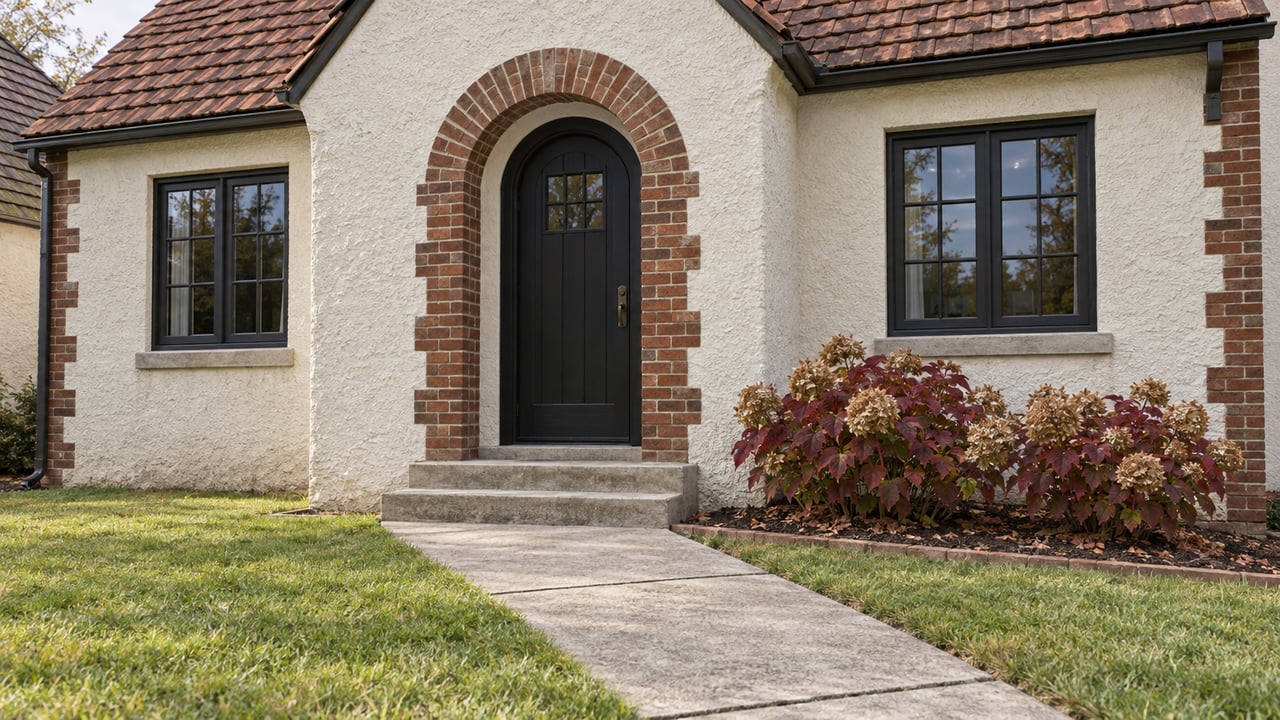
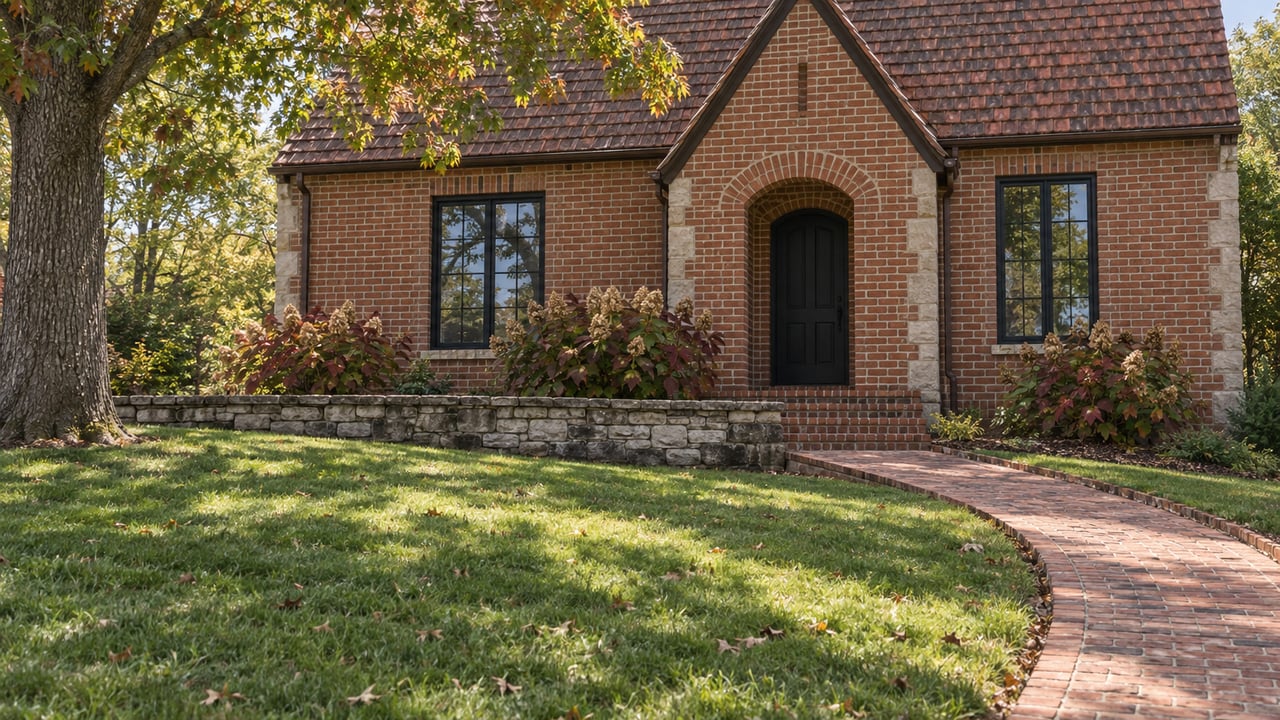
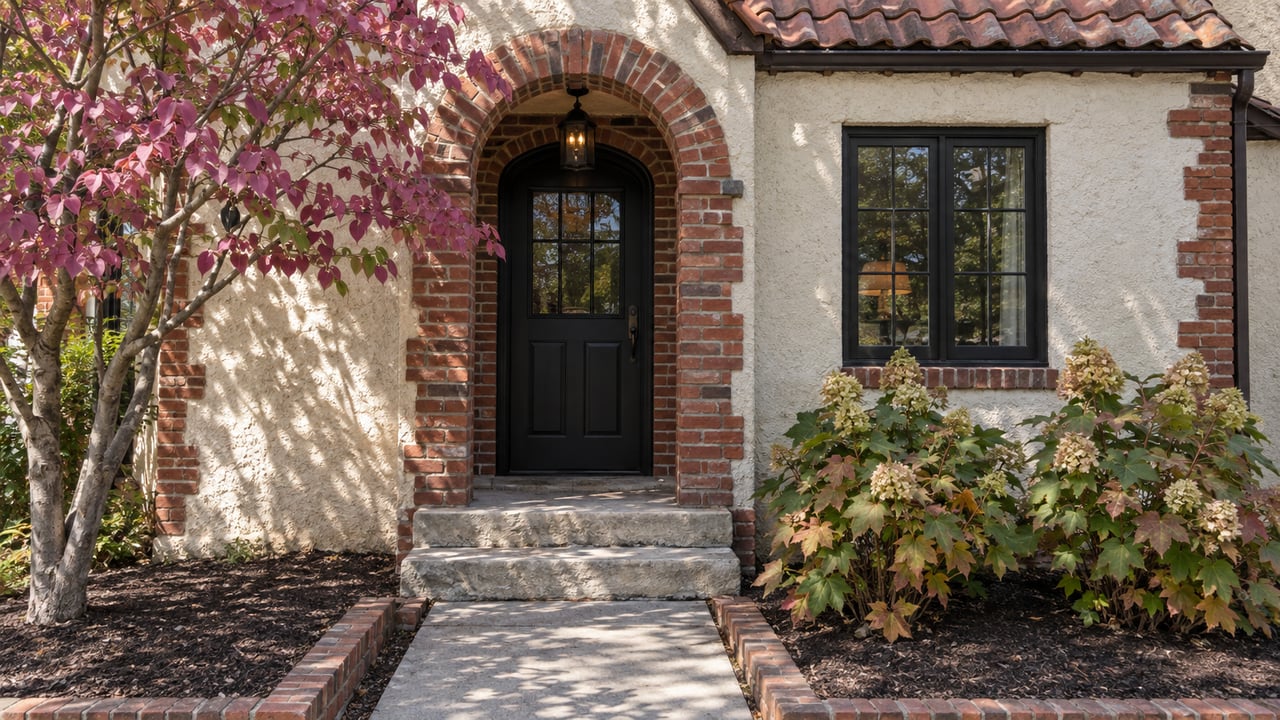
Most housing dates to the early 1900s, so you’ll tour a mix of bungalows, shotgun‑style cottages, and a handful of newer infill homes. Many lots are narrow and deeper than they are wide, which shapes how houses live and how you might expand later. Brickwork and front porches are signature elements that add to curb appeal across blocks.
How to read price data
Market trackers use different data sets and methods, so neighborhood medians can vary month to month. Some platforms calculate medians based only on recent closings, while others blend current listings and automated valuations. The key takeaway is simple: treat medians as moving context, not a fixed target. Entry points on The Hill often start with smaller shotguns and modest bungalows, while renovated or expanded homes can command a premium.
What your bungalow tour will show
Layout and features you’ll notice
Classic Hill bungalows are usually one to one‑and‑a‑half stories with low rooflines, a wide front porch, and a compact, efficient interior. Expect a defined living room, a small dining area, a modest kitchen, and a handful of bedrooms. Many have basements that range from partial to full, and some offer usable attic rooms under the roofline.
Bungalow vs. shotgun: the quick contrast
On The Hill, the narrowest and oldest houses often follow a shotgun plan: rooms arranged front to back with very little hallway space. It is a smart, compact layout that reflects the area’s working‑class origins and small lots. Bungalows are typically a bit wider and feel roomier, while keeping that intimate, porch‑forward character. For a visual sense of narrow‑plan forms and half‑basements locally, review the architecture study. See typical narrow plans and basements.
Lot shape and parking basics
A 25‑foot lot width is common on many blocks, which limits side additions and traditional driveways. Rear additions are more feasible, and many homes relate to alleys for garage access. To picture scale, a recent shotgun example on Shaw Ave. showed a 25' x 163' lot with a compact footprint, which is a good reference point when you measure space and plan upgrades. Review a representative narrow‑lot example.
On‑tour checklist for older Hill homes
Bring this list to your showings so you spot the right details fast:
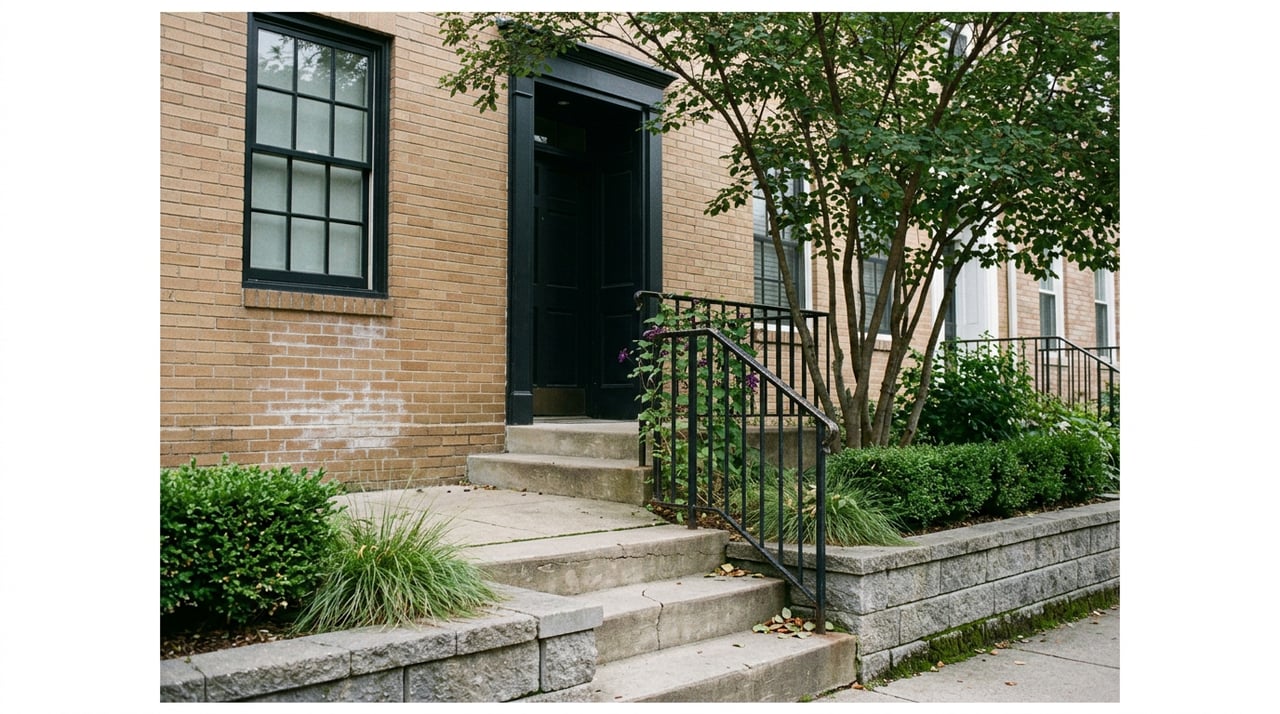
- Porch and entry: look for sagging steps, soft porch decking, or loose railings.
- Roof, gutters, and downspouts: ask the roof age and check that water is directed away from the house.
- Basement or half‑basement: scan for dampness, efflorescence, or stained foundation walls.
- Electrical: open the panel cover with your agent present and note service size, fuses vs. breakers, and any visible older wiring.
- HVAC: ask for furnace and AC ages, service records, and filter change dates.
- Plumbing: request a sewer video scope during inspections for older clay or cast‑iron lines.
- Layout and access: measure door widths and note stair steepness if accessibility matters.
- Parking and alley: confirm garage size, alley condition, and any easements.
Old‑house issues to budget for
Buying a classic bungalow means planning for age‑related systems and materials. Here are the common ones, with consumer and agency resources you can use.
Lead paint in pre‑1978 homes
Any home built before 1978 may contain lead‑based paint. Federal rules require sellers to provide lead information and for renovators to use lead‑safe practices when disturbing painted surfaces. Testing and certified lead‑safe work protect your household and future contractors. Review the EPA’s guidance for buyers.
Asbestos in older materials
Asbestos can appear in pipe insulation, some floor tiles, textured ceilings, and older boiler wraps. The general guidance is to leave intact materials undisturbed and to hire professionals for testing or abatement before demolition or major renovations. Learn the basics about asbestos safety.
Electrical systems and insurance
Some pre‑1950 homes retain knob‑and‑tube or other legacy wiring that lacks grounding and is not suited to modern loads. Insurers may deny or limit coverage until hazardous wiring is replaced, and lenders can require panel or system upgrades. A licensed electrician’s assessment and a rewiring plan are often prudent in older bungalows. See InterNACHI’s overview of knob‑and‑tube.
Sewer lines and plumbing
Original clay or cast‑iron sewer lines can function for decades but are prone to roots, corrosion, and joint failures over time. A sewer‑scope is a common and wise add‑on during inspections. If replacement is needed, consumer guides show a wide range from a few thousand dollars to $10,000 or more depending on method and complexity. Read a consumer guide to sewer line costs.
Foundations, basements, and moisture
Many Hill homes feature raised porches and partial or half‑basements. Look for evidence of prior water intrusion, and confirm grading moves stormwater away from the house. If you see major cracks or settlement, a foundation specialist can advise on scope before you finalize negotiations. The Hill architecture study notes common basement forms.
Insulation, windows, and HVAC
Older homes often have limited wall insulation and original single‑pane windows. The most cost‑effective sequence usually starts with air sealing, then attic insulation, then selective window improvements and mechanical upgrades. A targeted energy audit helps you set priorities and budget. Explore DOE’s tips for affordable efficiency upgrades.
Lender and insurer requirements
Some lenders and insurers want proof of a safe electrical panel, a working heating system, and no active hazards before issuing coverage. If your inspection flags major roof, wiring, or foundation issues, check in early with your lender and insurer so you know what must be addressed before closing.
Renovation potential and permits
Common projects that work well on The Hill
Because lots are narrow, most updates focus on the interior and the rear. Owners often tackle:
- Kitchen reconfigurations to improve flow to a rear deck or patio.
- Bathroom updates that respect small footprints.
- Finishing or brightening basements where head height allows.
- Modest rear additions for a primary suite or family room.
- Energy upgrades like attic insulation or a heat‑pump system.
Local architects have shown how narrow plans can be opened up while keeping the streetscape intact. For inspiration, see a case study in a Hill cottage that blends modern living with the original character. Tour a local renovation case study.
Permits and historic review
Structural changes, roofline alterations, or additions can trigger city reviews. Before you draw plans, check City of St. Louis guidance on permits and preservation requirements, including any certificates needed in local historic districts. Early coordination saves time and surprises. Start with the city’s preservation topic page.
Typical cost drivers to plan for
- Rewiring: small narrow houses can be on the lower end, but full rewires often land in the low‑ to mid‑five‑figure range depending on access and finishes.
- Sewer work: national consumer guides show broad ranges that can exceed $10,000 for full replacement. Always scope before budgeting. Review sewer cost ranges.
- Envelope and masonry: roof replacement, tuckpointing, and waterproofing are common on older brick homes. Get multiple local bids, especially for preservation‑minded masonry repairs.
How The Hill stacks up nearby
The Hill’s classic homes and strong brick housing stock often price above some midsize South City areas, while remaining below the highest tiers found in certain Lafayette Square or Central West End segments. Entry prices can be approachable for smaller shotguns and modest bungalows, then step up quickly for renovated or expanded homes. Because supply is tight in this small neighborhood, medians can shift quickly with each month’s mix of listings.
Your day‑one budget checklist
Right after closing, consider a few quick wins for safety and comfort:
- Change locks and rekey exterior doors.
- Add GFCI protection in kitchens, baths, and laundry areas as needed.
- Install or update smoke and CO detectors on every level.
- Air seal attic and basement penetrations, then top up attic insulation. See DOE’s guidance on cost‑effective insulation.
- Clean and service HVAC, then set a maintenance schedule.
Quick glossary: Hill house types
- Bungalow: One to one‑and‑a‑half stories, low roofline, broad front porch, compact public rooms, and a modest bedroom count. Often slightly wider than a shotgun with more flexible interior updates.
- Shotgun: Narrow and long, with rooms arranged front to back and minimal hallways. Efficient and character‑rich, but kitchens and bedrooms can be compact. See narrow‑plan examples in the Hill study.
Buying on The Hill is about balancing charm, a compact lot, and the realities of an older home. With the right inspections and a clear plan for updates, a classic bungalow here can live comfortably and hold its value over time. If you want a local partner to help you spot a solid house, budget for the right upgrades, and negotiate with confidence, reach out to Mary Krummenacher for expert, neighborhood‑level guidance.
FAQs
What is a typical Hill bungalow like inside?
- Most have a defined living room, a compact dining area, a modest kitchen, and a small set of bedrooms, with a basement that ranges from partial to full and sometimes a usable attic room.
Which inspections matter most for older Hill homes?
- Prioritize a full home inspection, a sewer video scope, an electrical evaluation for legacy wiring, and a moisture review in the basement or half‑basement, plus lead and asbestos checks if you plan renovations.
Can I add a driveway or garage on a narrow Hill lot?
- Side driveways are tough on 25‑foot lots, so most owners use alley access; small rear additions and detached alley garages are more feasible than side build‑outs.
How much do common fixes cost on older bungalows?
- Costs vary by house and scope, but rewiring often falls in the low‑ to mid‑five‑figure range, while sewer line work can reach $10,000 or more depending on method and complexity.
How does buying on The Hill compare to nearby neighborhoods?
- The Hill often prices above some midsize South City areas and below the highest‑priced historic districts, with smaller shotguns offering lower entry points and renovated homes commanding higher prices.