If you are selling a luxury home in the Central West End, you are not just listing square footage. You are bringing a one-of-a-kind property to market in one of St. Louis’s most layered and recognizable neighborhoods. That can feel exciting and a little daunting at the same time. The good news is that the right strategy can help you highlight your home’s architecture, location, and lifestyle appeal in a way that attracts serious buyers from the start. Let’s dive in.
Why Central West End Marketing Is Different
The Central West End is not a uniform luxury market. According to the City of St. Louis, the neighborhood includes large single-family homes on private streets and major boulevards, along with apartments and flats across the district. That mix matters because a standout historic residence cannot be marketed like a generic high-end listing.
The neighborhood also carries real historic weight. The city ties the area’s rise to the development of Forest Park in the late 1870s and notes the visibility it gained around the 1904 World’s Fair, when Euclid Avenue became a center of activity. Many classic residences still define streets like Lenox Place, Pershing Place, Kingsbury Place, and Hortense Place.
For you as a seller, that means your home’s story matters. Buyers are not only comparing price per square foot. They are weighing architecture, setting, privacy, condition, and how the property fits into the broader Central West End lifestyle.
Start With Property-Specific Pricing
Public market snapshots for Central West End vary. Recent reports place the broader neighborhood in a mid-$300,000s to $400,000 range, depending on the source and time frame. That range is useful for context, but it should not be treated as a pricing formula for a distinctive luxury home.
A private-street residence, a turn-of-the-century mansion, and a high-end condo may all sit within the same neighborhood boundaries, yet they compete in very different ways. The best pricing strategy is to look at recent comparable sales that match your home’s architectural style, level of finish, lot or privacy, and proximity to sought-after amenities.
This matters even more in today’s financing environment. Freddie Mac reported a 30-year fixed mortgage rate of 6.36% in May 2026, and NAR reported average rates of 6.69% during its 2025 buyer-seller survey period. Even luxury buyers tend to be value-conscious when rates are elevated, so precise pricing and strong presentation work hand in hand.
Sell the Central West End Lifestyle
Luxury marketing in the Central West End should never stop at the front door. The neighborhood’s appeal is tied to a broader urban lifestyle that buyers can feel immediately when the listing is positioned well.
Forest Park is a major part of that story. The City of St. Louis states that the park spans 1,370 acres and includes trails, lakes, golf, tennis, museums, and event spaces. Its major cultural institutions include the Saint Louis Art Museum, Missouri History Museum, The Muny, Saint Louis Science Center, and Saint Louis Zoo.
Euclid Avenue adds another layer of appeal. The Central West End CID describes it as the neighborhood’s main street, with more than 75 shops, galleries, restaurants, bars, salons, hotels, and other businesses. That gives your marketing a clear lifestyle angle rooted in walkability, culture, and daily convenience.
Connectivity matters too. Metro Transit says the Central West End MetroLink Station is the system’s busiest station, with more than 4,300 weekday boardings, and recent improvements focused on safer, more convenient access. For buyers who value mobility and access to major medical and academic anchors nearby, that can strengthen the property’s overall positioning.
Lead With Architecture, Not Generic Luxury Copy
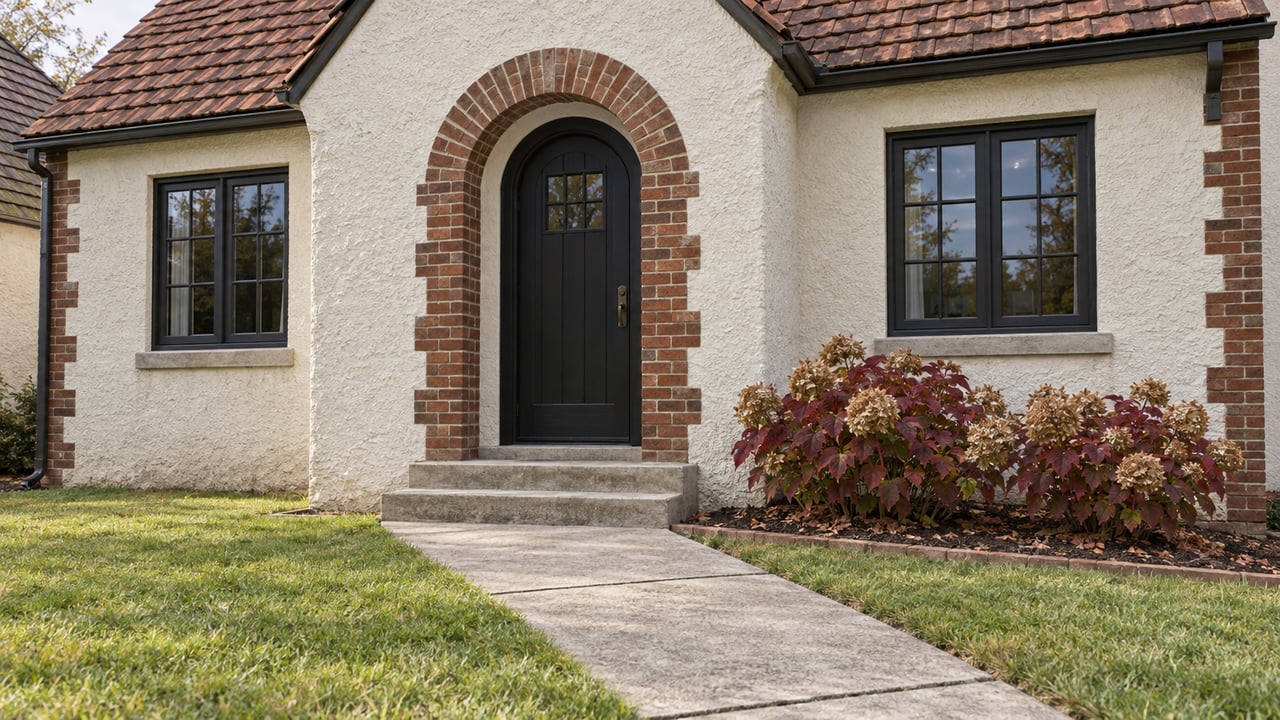
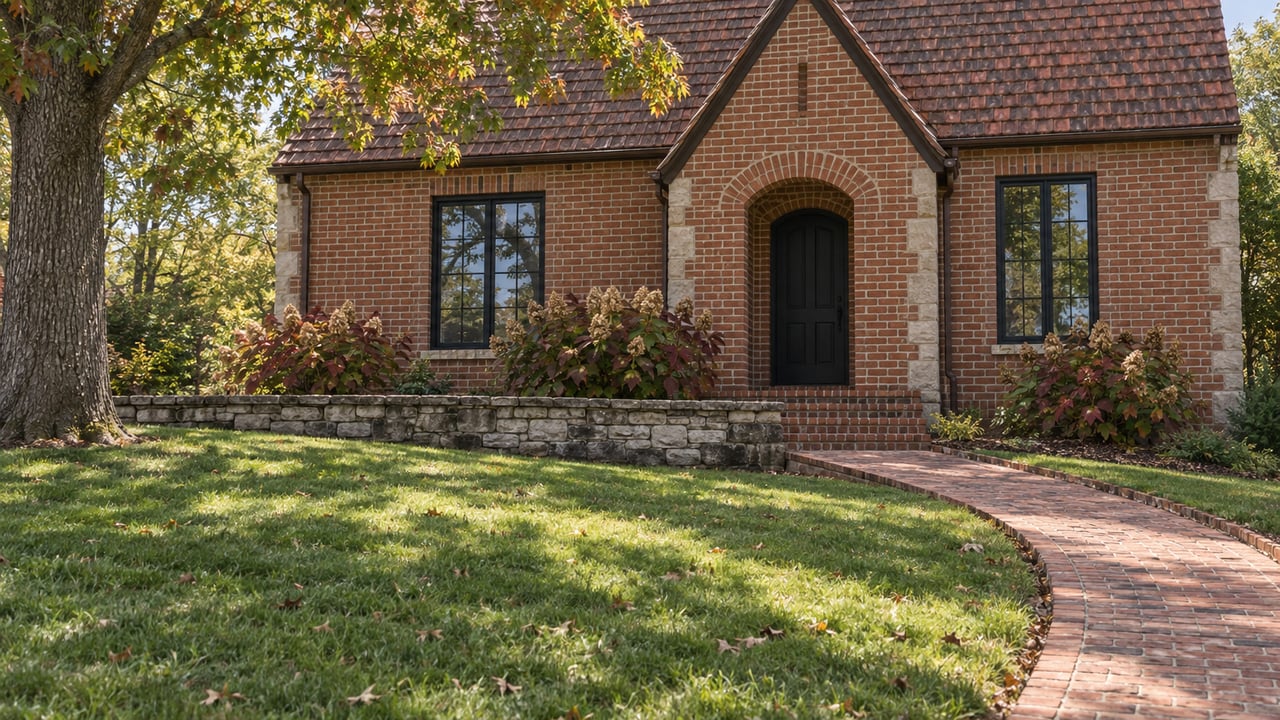
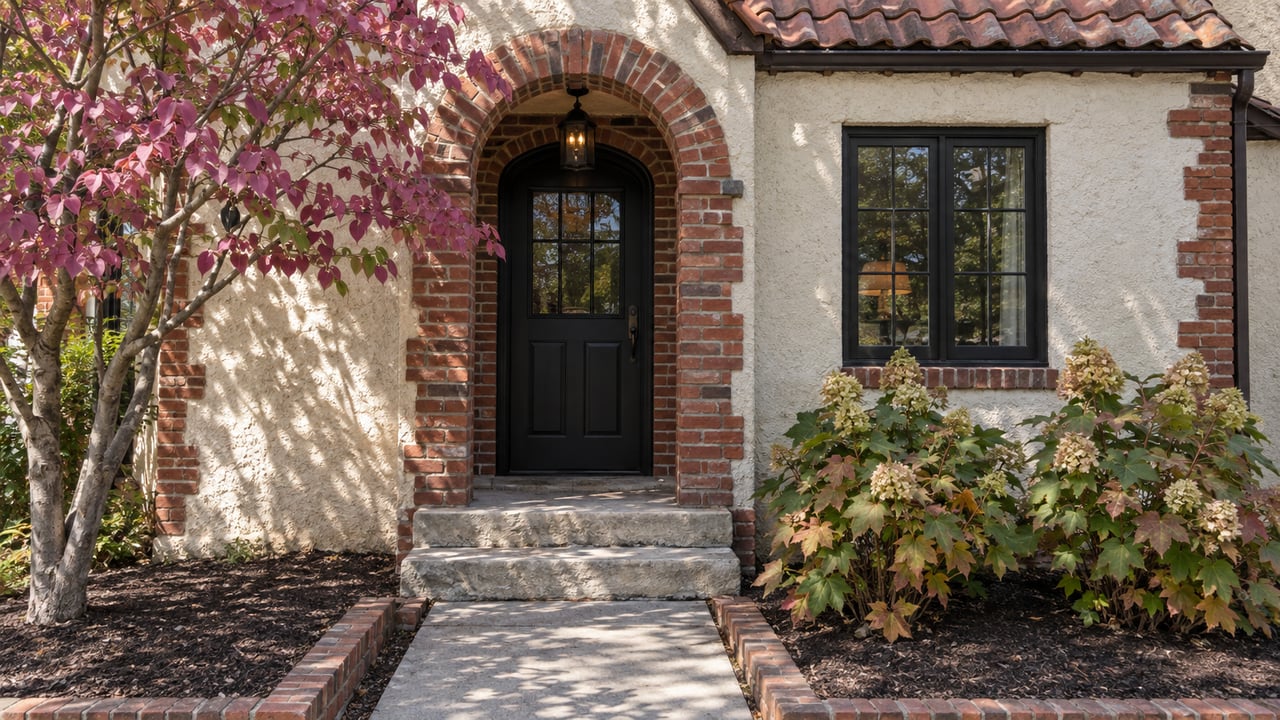
The Central West End has a distinct visual identity. The area includes French Tudor, Colonial, Federal, Greek Revival, Mid-Century, and Postmodern influences, according to the neighborhood CID. That variety is exactly why your listing copy and visuals should feel tailored to your property instead of relying on broad luxury phrases.
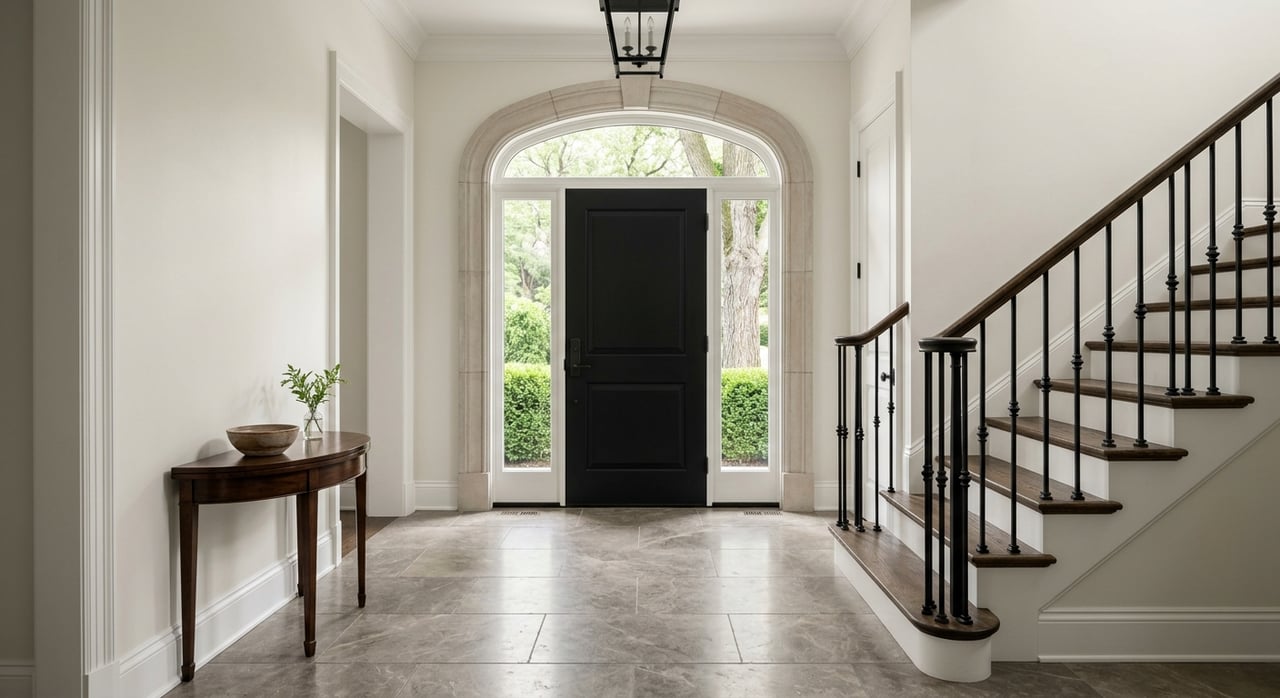
If your home has original woodwork, leaded glass, masonry, mantels, a dramatic staircase, or a terrace, those details should be featured clearly and early. If the home sits on a private street or along a major boulevard, that setting should also be part of the story. Buyers in this market often respond to authenticity and architectural character as much as polished finishes.
Strong marketing copy should help buyers picture how the home lives. It should explain flow, scale, natural light, entertaining spaces, and the relationship between interior rooms and outdoor areas. In a neighborhood with this much history, the goal is to make the home feel both special and understandable.
Stage to Refine, Not Erase
One of the biggest questions sellers ask is how much to update or stage a period property before listing. In the Central West End, the answer is usually not to strip away personality. It is to present the home in a way that feels polished, spacious, and easy to read while preserving the elements that make it memorable.
NAR’s 2025 Profile of Home Staging found that 83% of buyers’ agents said staging made it easier for a buyer to visualize a property as a future home. The most commonly staged rooms were the living room, primary bedroom, and dining room. For a luxury property, those rooms often carry the emotional weight of the showing experience.
A smart staging plan can help buyers appreciate scale and circulation without distracting from original features. That may mean simplifying furniture layouts, improving lighting, editing decor, and making sure architectural details remain the focal point. In many Central West End homes, character is the value proposition, so staging should support that rather than compete with it.
Check Historic-District Rules Before Exterior Changes
Before you make visible exterior improvements, it is important to verify whether city historic-district requirements apply. The Central West End Historic District was established in 1974, and the city notes that standards regulate new construction and additions within the district.
That does not mean you cannot improve presentation. It means you should approach exterior work thoughtfully and confirm requirements first. In many cases, careful maintenance, landscaping, and condition-focused prep can improve first impressions without undermining the home’s architectural integrity.
For sellers, this is an important reminder that not every pre-listing project adds value. In a neighborhood known for historic prestige, authenticity often matters more than chasing trends.
Photography Can Make or Break the Launch
Most buyers begin online, so your listing photography needs to do more than document the home. It needs to create immediate interest and encourage buyers to keep clicking.
NAR reports that 52% of buyers found the home they purchased online, and 81% rated listing photos as the most useful feature in their online search. That makes photo quality and sequencing central to your marketing plan, not an afterthought.
For many Central West End luxury homes, the lead image should be either the strongest exterior shot or the image that best captures the property’s lifestyle appeal. After that, the photo order should guide buyers through the home’s best entertaining spaces, signature details, outdoor areas, and neighborhood context.
In other words, do not rush to market with incomplete prep. The listing should go live only when staging, photography, copy, and distribution are all ready to work together.
The First 72 Hours Matter
The first few days after launch often carry outsized importance. NAR’s guidance on online visibility notes that early engagement and photo order can help a listing gain traction. If you miss that early window with weak presentation or incomplete marketing, it can be hard to regain momentum.
That is why luxury marketing should be coordinated before the property hits the market. You want the MLS entry, photography, written description, showing readiness, and digital promotion aligned from day one. A polished launch helps frame the home correctly and encourages stronger early activity.
This is also where team infrastructure matters. A systems-driven approach can help keep the process organized so nothing feels pieced together at the last minute.
Go Beyond the MLS Alone
A luxury home in the Central West End deserves broad, intentional exposure. NAR defines syndication as MLS display on its public website and distribution to third parties that advertise or display listings on their sites. That gives your home a wider digital footprint, but syndication alone is not the full strategy.
A stronger launch also includes brokerage website exposure, email outreach, social promotion, and agent-to-agent networking. These channels work best when they are timed together to create a clear first impression and reach buyers where they actually search.
NAR’s 2025 buyer-seller profile found that 88% of purchases were made through an agent or broker. That supports the value of experienced representation and strong professional networks, especially when you are marketing a property that may not fit neatly into standard search expectations.
What Sellers Should Focus On Most
If you are preparing to market a luxury home in the Central West End, focus on the pieces that shape buyer perception fastest:
- Accurate, property-specific pricing
- Staging that clarifies the home without stripping character
- Professional photography with a strong lead image and smart sequencing
- Clear copy that highlights architecture, lifestyle, and setting
- Compliance checks before visible exterior changes
- A coordinated launch plan that builds momentum early
- Broad digital exposure supported by agent outreach
In this neighborhood, success usually comes from precision. The homes are too varied, and the buyer expectations are too high, for a one-size-fits-all marketing plan.
When your strategy matches the home, you give buyers a better reason to act. If you are thinking about selling in the Central West End, Mary Krummenacher can help you position your home with local insight, polished marketing, and a launch plan built for this market.
FAQs
How should you price a luxury home in Central West End?
- You should price it against recent comparable sales that match the home’s architecture, condition, privacy, and location rather than relying on broad neighborhood median prices.
What should sellers stage in a Central West End luxury home?
- Sellers should usually focus on key spaces like the living room, primary bedroom, and dining room while preserving important period details such as woodwork, mantels, staircases, and leaded glass.
Do Central West End historic-district rules affect pre-listing updates?
- Yes, visible exterior changes may need to be checked against City of St. Louis historic-district requirements before work begins.
Why do listing photos matter for a Central West End home sale?
- Listing photos matter because many buyers begin online, and NAR reports that photos are the most useful online search feature for most buyers.
What lifestyle features help market a Central West End luxury home?
- Key lifestyle features include access to Forest Park, Euclid Avenue’s shops and dining, historic streetscapes, MetroLink connectivity, and proximity to major cultural, medical, and academic anchors.
What should happen in the first days after a Central West End listing goes live?
- The first days should include a fully prepared launch with completed staging, professional photography, polished copy, MLS placement, digital exposure, and coordinated outreach to drive strong early attention.