Thinking about buying in Webster Groves? One of the first surprises for many buyers is how much the architecture changes from block to block. In a city with homes dating from the mid-1800s to today, style is not just about curb appeal. It can shape how a home lives, what upkeep you should expect, and how confidently you can narrow your search. If you want to shop smarter in Webster Groves, learning the local style vocabulary is a great place to start. Let’s dive in.
Why architecture matters in Webster Groves
Webster Groves was incorporated in 1896, but its housing story started earlier and kept evolving over time. The city ties that growth to railroad-era development, and Webster Park was promoted in 1892 as a commuter suburb with country-like surroundings. That long timeline helps explain why you can find Victorian, Craftsman, Colonial Revival, Tudor Revival, and later ranch-style homes in the same community.
For buyers, that mix matters in practical ways. A home's style can affect layout, stairs, exterior materials, maintenance needs, and even the kind of updates that make sense later. In some parts of Webster Groves, style can also overlap with historic district rules, which is important to know before you plan future changes.
Where to see style differences
Webster Groves has five historic districts, and each area can feel a little different architecturally. The city’s district map identifies Central Webster, Marshall Place, Old Webster, Webster Park, and Webster College-Eden Theological Seminary as historic districts. Exact block location can change both the housing mix and the amount of preservation oversight you may encounter.
If you want a quick field guide before touring homes, the city and the Webster Groves Historical Society offer self-guided walking tours. Those tours specifically highlight Webster Park, Central Webster, Tuxedo Park, and the Heart of Webster as strong places to study local architecture. Webster Park is known for large, elaborate Queen Anne homes, Central Webster includes a wide variety of styles, and Tuxedo Park mixes gracious Queen Anne homes with tidy 20th-century bungalows.
Queen Anne and Victorian homes
What they look like
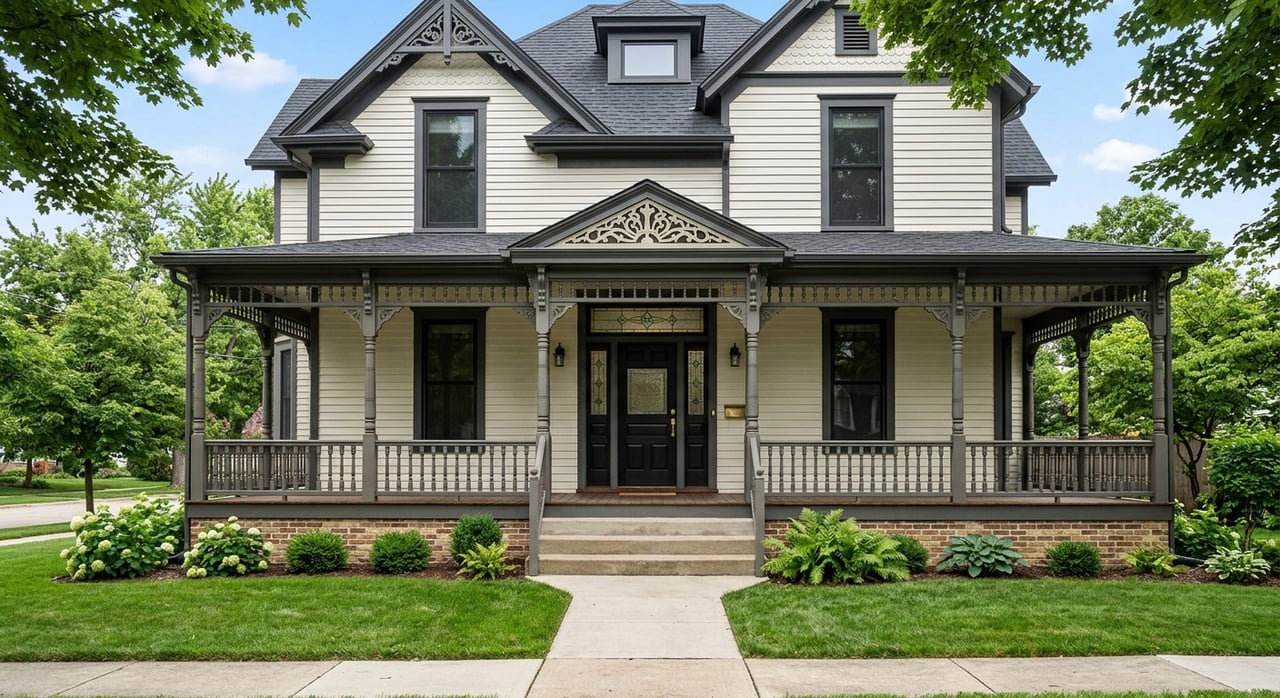
Queen Anne and Victorian homes are some of the most visually dramatic houses you will see in Webster Groves. Common features include asymmetrical shapes, wraparound porches, turrets or dormers, mixed materials, shingles, and spindlework. Local walking tours point to examples in the Heart of Webster, Webster Park, and Tuxedo Park.
How they usually live
These homes often have a more formal, segmented feel than newer open-plan houses. Rooms may flow around a central staircase, which can create strong separation between living spaces. If you love distinct rooms and historic character, that can be a real plus.
How to shop for them
When you tour a Victorian or Queen Anne home, pay close attention to the exterior. All that charm comes with more surfaces, trim, and details to inspect over time. In simple terms, these homes often offer the most visual drama and the most exterior complexity.
Craftsman and bungalow homes
What they look like
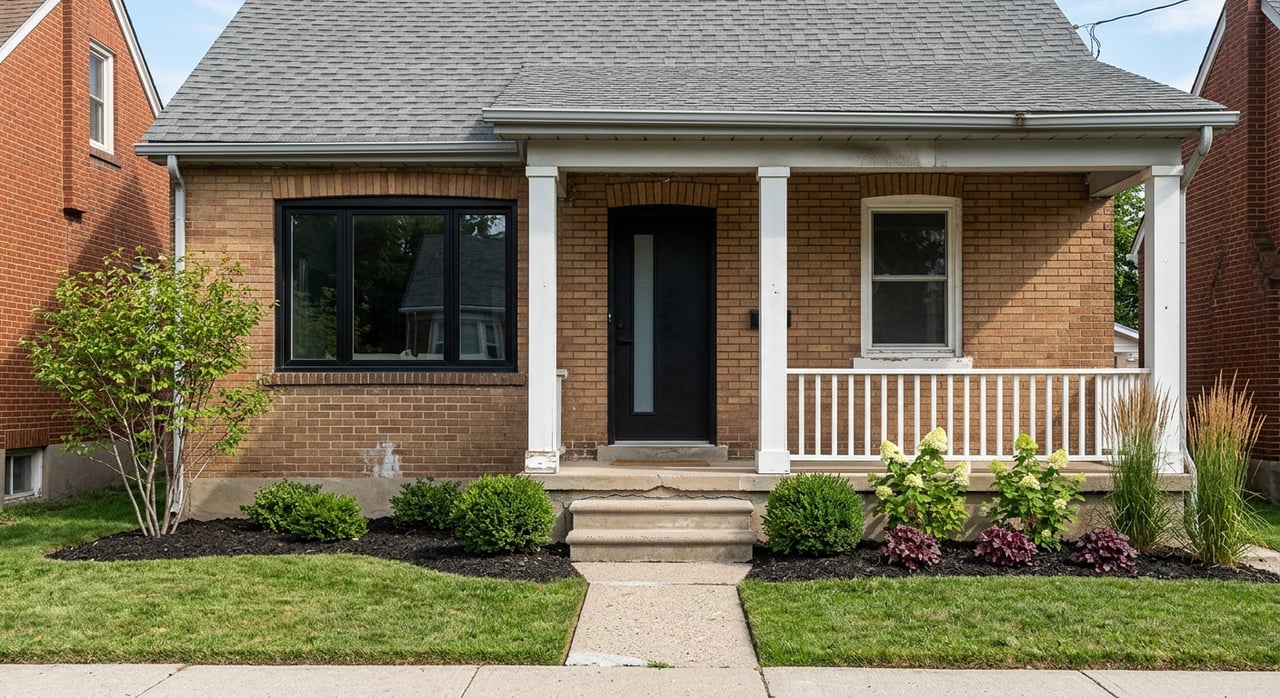
Craftsman and bungalow homes usually feel lower, simpler, and more grounded than Victorian houses. You may notice low-pitched roofs, wide eaves, exposed rafters, tapered porch posts, wood trim, and full-width porches. In Webster Park, Craftsman and bungalow homes make up about 12 percent of the district.
How they usually live
These homes often emphasize practical massing, built-ins, and more open living and dining areas. That tends to create a comfortable everyday flow without losing architectural character. For many buyers, this style lands in a sweet spot between charm and functionality.
How to shop for them
Look closely at original wood details, porch elements, and rooflines. While these homes are often less fussy than a Victorian, the trim and exterior features still need ongoing care. If you want character with a somewhat more straightforward layout, this category is often worth a close look.
Colonial Revival homes
What they look like
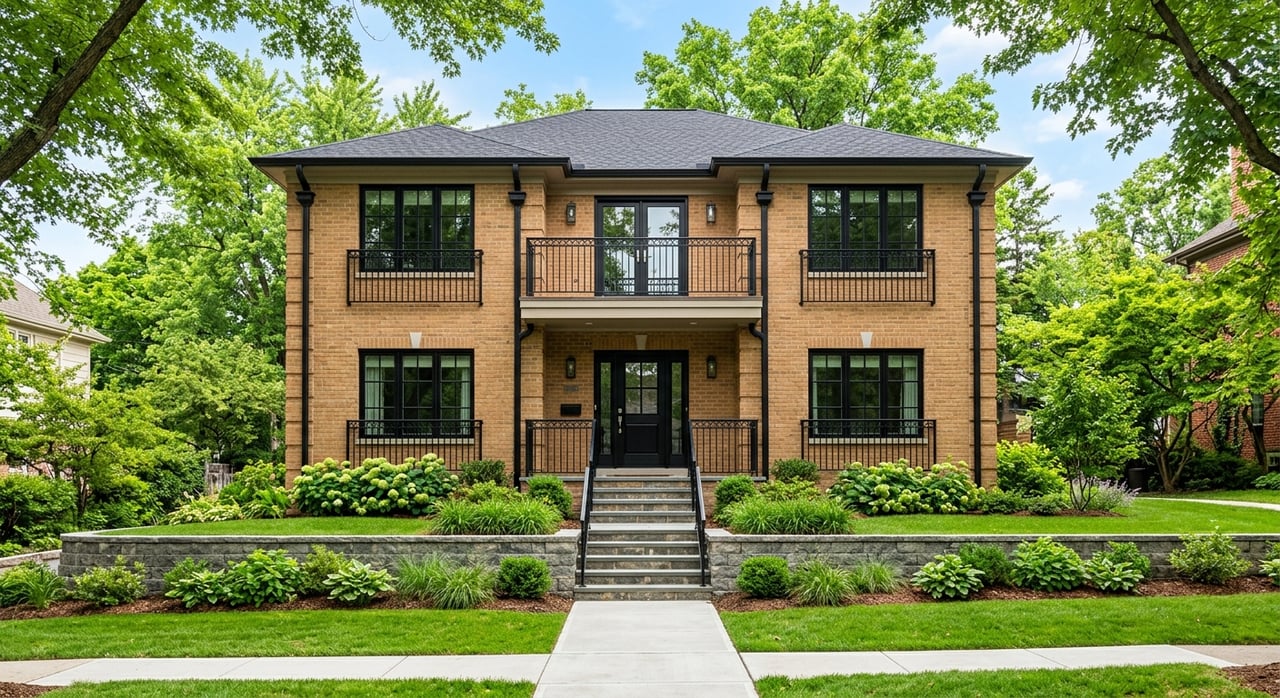
Colonial Revival homes usually feel balanced and formal from the curb. Common features include symmetrical facades, central entries, hipped or gabled roofs, fan windows or Palladian windows, and classical columns or pilasters. Webster Park includes several prominent examples, and later versions of the style are often smaller and less ornamented.
How they usually live
Inside, the symmetry of the exterior often translates into a clear, orderly floor plan. Many buyers find that furniture placement feels intuitive in these homes. If you like traditional architecture but want a layout that feels easy to work with, Colonial Revival can be a strong fit.
How to shop for them
Do not let the cleaner symmetry fool you into thinking upkeep disappears. Porches, trim, and classical details still require attention. Even so, this style is often seen as a middle ground between high character and practical long-term living.
Tudor Revival homes
What they look like
Tudor Revival homes are easy to spot once you know the basics. Look for steeply pitched roofs, half-timbering, mixed masonry or stucco, tall narrow windows, and decorative chimneys. Webster Park identifies Tudor Revival as its next most prominent style at about 14 percent of the housing stock, and local tours show Tudor examples in Central Webster and Webster Park.
How they usually live
These homes often have a cozy, storybook feel. The architecture can create memorable curb appeal and richly detailed interiors. For buyers who want a house with strong personality, Tudor homes often stand out fast.
How to shop for them
Pay special attention to roof complexity and transitions between materials like brick, stucco, and wood elements. Those features are part of the appeal, but they can also mean more maintenance over time. Like Queen Anne homes, Tudors often bring a lot of visual reward along with more exterior complexity.
Ranch and mid-century homes
What they look like
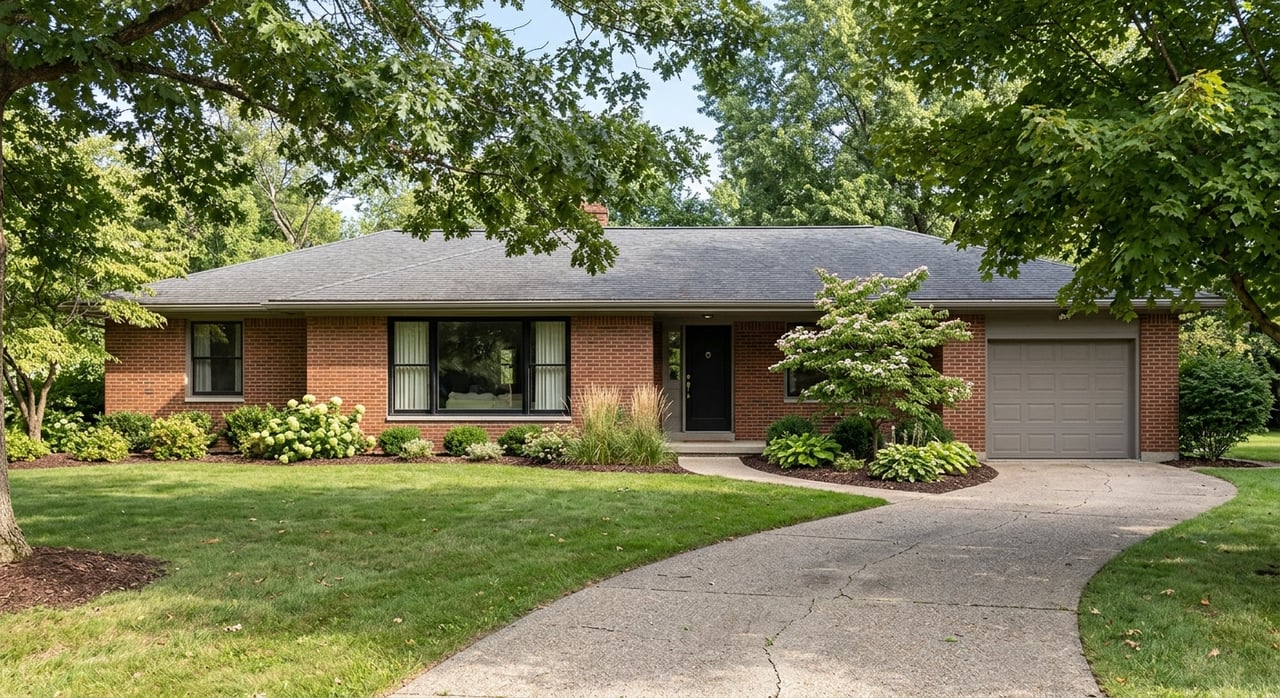
Ranch homes reflect a later chapter in Webster Groves housing history. They are generally one-story, horizontally oriented, and low-pitched, with attached garages or carports often included. While the best-known historic districts lean older, ranches fit the newer end of the local timeline.
How they usually live
For day-to-day living, ranches are often the easiest to navigate. The one-story design can mean simpler circulation, fewer stairs, and a layout that feels more open. If convenience is high on your list, this style may be especially appealing.
How to shop for them
Keep an eye on the long roofline and broad front facade, since both still need routine exterior attention. Ranch homes may look simpler, but they are not maintenance-free. Their biggest advantage is usually practical everyday function.
Other styles you may notice
As you explore Webster Groves, you may also spot Italianate and Shingle Style homes. The Heart of Webster walking tour identifies the Raphael Kessler House as Italianate, and the Central Webster district nomination mentions Shingle Style houses with rock foundations and gambrel roofs. These homes add even more depth to the local streetscape and are part of what makes shopping here feel so interesting.
Match the style to your lifestyle
A smart home search in Webster Groves starts with more than a wish list. It helps to think about how you actually want to live in the home every day. Style can be a shortcut that helps you sort homes faster.
Here is a simple way to think about it:
- Queen Anne/Victorian: Best if you love historic detail, distinct rooms, and standout curb appeal
- Tudor Revival: Best if you want character, texture, and a cozy feel
- Craftsman/Bungalow: Best if you want charm plus practical living spaces
- Colonial Revival: Best if you like symmetry, traditional design, and a more orderly layout
- Ranch: Best if you value easier circulation and fewer stairs
These are useful shopping patterns, not hard rules. Individual homes can vary a lot based on updates, additions, and maintenance history.
Check historic district rules early
Before you get too attached to a home, check whether it sits in a local historic district or landmark area. In Webster Groves, the Historic Preservation Commission protects historic districts, structures, and land. The Architectural Review Board reviews exterior changes across the city, and some historic properties may require a Certificate of Appropriateness for demolition, relocation, or boundary changes.
This matters if you are thinking ahead about renovations or exterior updates. District guidelines emphasize preserving or matching original windows, roof shapes, transoms, and compatible additions. In other words, the home’s style is not only aesthetic. It may shape what changes are easier or harder to make later.
Budget and convenience still matter
Even in a style-driven market, your budget and daily routine should stay front and center. Recent third-party snapshots place Webster Groves in a live pricing band rather than one fixed number, with Redfin showing a March 2026 median sale price of $424,000 and Zillow showing an average home value of $427,994 and a median list price of $354,783 in late February 2026. Because those measures are different, they work best as a broad guide rather than a single benchmark.
Location within Webster Groves also shapes value. The city highlights convenient access to I-44, proximity within about 10 minutes of downtown St. Louis, Clayton, and West County, and about 20 minutes to Lambert, with two MetroLink stations nearby. That means some buyers may gladly trade extra square footage or lower-maintenance housing for commute convenience and walkable surroundings.
A smart way to shop in Webster Groves
If you want to narrow your search with confidence, start with a process that blends style, budget, and future plans. That approach helps you avoid falling for a house that looks right but does not fit how you want to live. It also helps you compare homes more clearly when inventory spans more than a century of design.
A practical shopping plan looks like this:
- Pick your top two styles based on layout and maintenance preferences.
- Study the key areas like Webster Park, Central Webster, Tuxedo Park, and the Heart of Webster.
- Ask whether the home is in a historic district before you plan major exterior changes.
- Tour with a style checklist so you notice rooflines, trim, porches, windows, and materials.
- Balance charm with daily life by weighing stairs, room flow, commute, and upkeep.
The right house in Webster Groves is rarely just about age or price. It is about finding the style that fits your routine, your priorities, and your comfort level with maintenance over time.
If you want help sorting through Webster Groves homes by architecture, layout, and long-term fit, Mary Krummenacher can help you shop with a clear plan and local insight.
FAQs
What architectural styles are common in Webster Groves?
- Webster Groves includes Victorian, Queen Anne, Craftsman, bungalow, Colonial Revival, Tudor Revival, ranch, and some Italianate and Shingle Style homes.
What Webster Groves area has the most historic architecture?
- Webster Park, Central Webster, Tuxedo Park, and the Heart of Webster are especially useful areas for style-rich home shopping and architectural walking tours.
What should buyers know about historic districts in Webster Groves?
- Buyers should check whether a property is in a local historic district because exterior changes may be reviewed, and some historic properties may require a Certificate of Appropriateness for certain actions.
What style of Webster Groves home is easiest for everyday living?
- Ranch homes are often the easiest for everyday circulation because they are generally one-story and have fewer stairs.
What style of Webster Groves home may need more exterior upkeep?
- Queen Anne, Victorian, and Tudor Revival homes often have more exterior complexity because of details like steep rooflines, mixed materials, porches, and decorative trim.
How can buyers shop smarter by architectural style in Webster Groves?
- Buyers can narrow their search by choosing preferred styles first, touring the key neighborhoods, checking for historic district status, and comparing each home’s layout, upkeep needs, and location convenience.