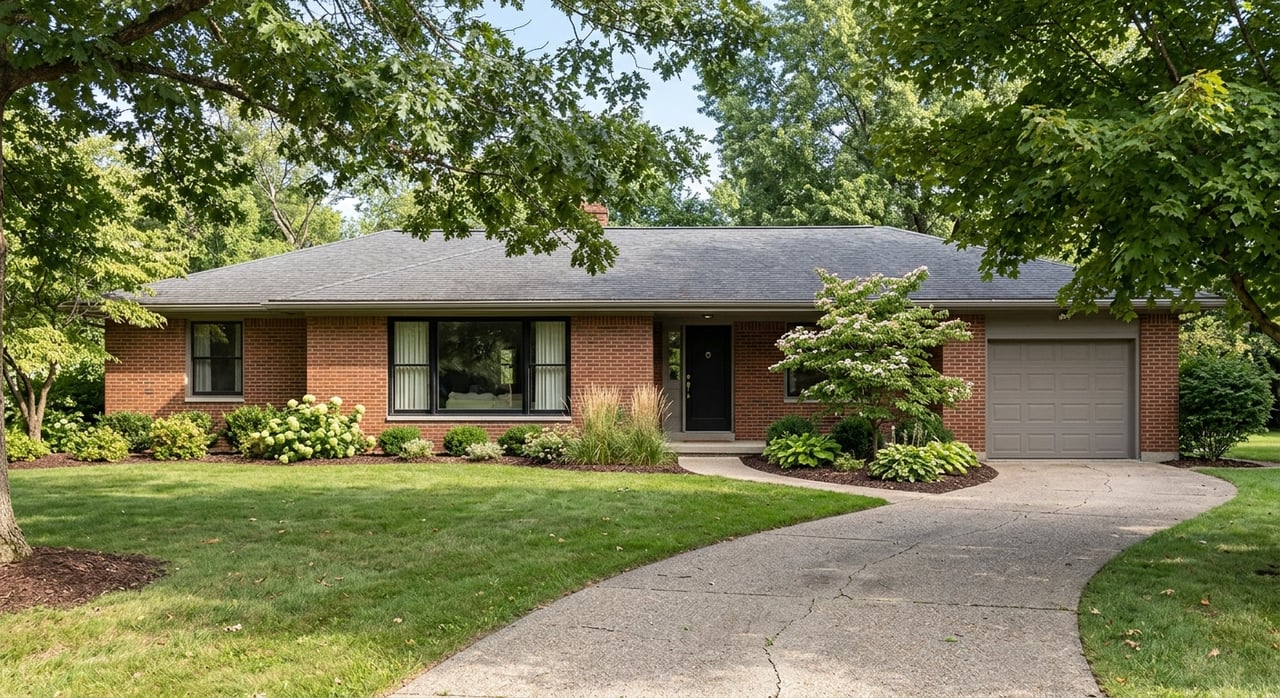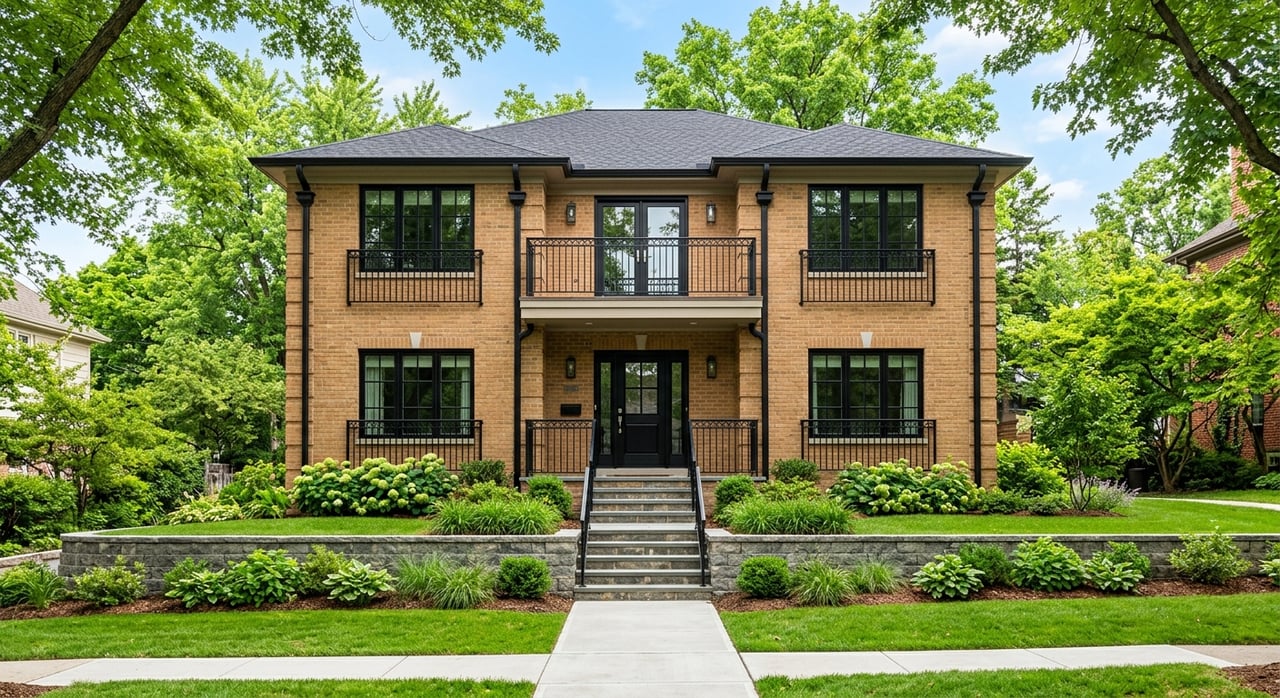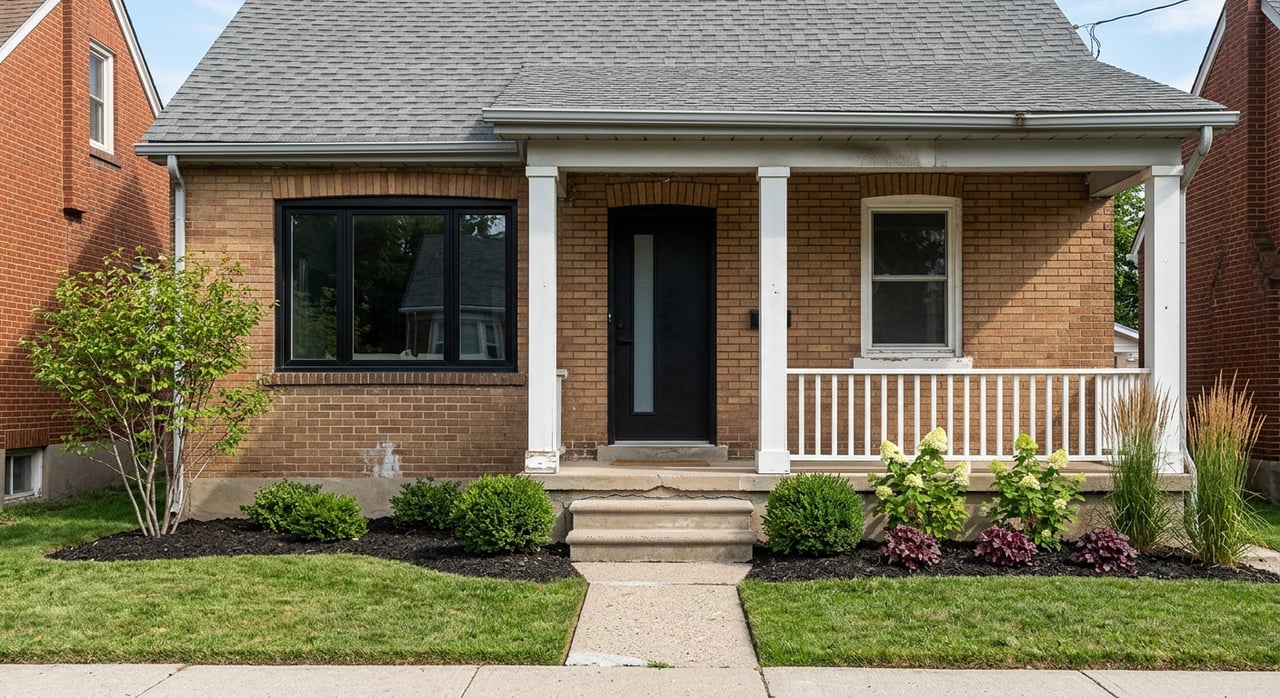
Wondering whether to buy a fixer or hold out for a move-in ready home on The Hill? That choice matters even more here, where older housing stock, fast-moving listings, and renovation rules can change the math quickly. If you are weighing charm against convenience, this guide will help you compare risk, cost, speed, and long-term value so you can make a smarter move. Let’s dive in.
Why this choice matters on The Hill
The Hill is a compact 52-square-block neighborhood on St. Louis’ near south side, bounded by Manchester, Southwest and Columbia, Kingshighway, and Hampton. Its history in clay mining, brick production, and Italian immigration helps explain why so many homes here have an older, established character.
That older-home identity is part of the appeal, but it also shapes your buying decision. On The Hill, you may be comparing updated homes with classic bungalows or shotgun houses that need work, and those are very different purchases in terms of timeline, budget, and stress level.
The Hill market moves fast
Recent market data suggest The Hill remains very competitive. Over the three months ending May 2026, Redfin reported a median sale price of $359,779, a median sale price per square foot of $293, and an average of 7 days on market.
At the same time, Realtor.com showed 15 active listings and a median list price of $284,000, with listing counts rising month over month and days on market shortening. Since those figures come from different sources and time periods, the safest takeaway is simple: inventory is limited, competition is real, and small shifts can look bigger than they are.
In a market like this, home condition carries real weight. Updated homes often attract attention quickly, while homes that need work may offer more room for negotiation, but only if the price reflects the project honestly.
What makes fixer homes different here
On The Hill, a fixer is often more than a paint-and-flooring project. Many homes are older, and some may have layouts or construction details that make changes more complicated than buyers expect.
The neighborhood’s classic shotgun and bungalow homes can be especially charming, but they can also be trickier to rework. Shotgun houses are typically narrow, single-story homes with rooms connected directly instead of through a hallway, which can make circulation changes, additions, and mechanical updates more involved.
That does not mean a fixer is a bad idea. It means you should go in with a realistic plan and enough financial cushion to handle issues that may not be obvious during a first showing.
Move-in ready homes offer speed and predictability
If your top priority is a smoother path to closing and settling in quickly, a move-in ready home usually gives you fewer unknowns. In a competitive neighborhood like The Hill, that can be a major advantage.
A cleaner, more finished home often lines up with what many buyers want today. The 2025 Remodeling Impact Report found that 46% of buyers are less willing to compromise on home condition, which helps explain why updated homes can move quickly.
Move-in ready does not mean perfect, of course. But it often means you can focus more on inspection items and less on planning major repairs, permit timelines, or renovation dust before you even unpack.
Fixers can work if the numbers work
A fixer can still be a smart buy on The Hill if the purchase price leaves room for the true cost of ownership. That includes inspection findings, required code-related work, and practical updates that improve safety and function.
In many cases, the best value-add plan is not a full custom overhaul. National remodeling data suggest that visible, practical upgrades often make more sense than highly complex projects, especially when you want to stay aligned with neighborhood pricing.
According to 2025 Cost vs. Value data from Zonda, projects like garage door replacement, steel door replacement, manufactured stone veneer, fiber-cement siding replacement, and minor kitchen remodels tend to outperform more elaborate remodels on resale return. The broader lesson is that the more complex the project, the lower the resale return often becomes.
Key risks to understand before buying a fixer
Occupancy permit rules
In St. Louis City, a Residential Occupancy Permit is required before occupancy after a residential sale if a valid certificate has not been issued within the last 12 months. The city also makes clear that this inspection is a basic code check and does not guarantee the overall condition of the building.
That matters because passing a city occupancy inspection is not the same thing as buying a worry-free house. If you are considering a fixer, it is wise to verify occupancy status early and understand that you may still need a more thorough building inspection.
Permit requirements
Renovation plans can hit delays if you assume the work is simple and permit-free. The City of St. Louis says structural changes, additions, foundation work, porches, decks, retaining walls, and certain roof projects require permits.
By contrast, ordinary maintenance like painting, floor refinishing, cabinet installation, and like-for-like window or door replacement often does not. Before you count on a quick renovation, it helps to separate cosmetic updates from projects that involve city review.
Historic review issues
Some properties may also face additional review for exterior changes. If a home is in a local historic district or city landmark area, exterior work such as painting, gutters, windows, doors, tuckpointing, fences, and awnings may require approval or review through the Cultural Resources Office.
This does not affect every property on The Hill, but it is an important question to ask early. Exterior plans that seem straightforward can become more time-sensitive when review is required.
Lead-based paint concerns
Lead is a real consideration in older housing stock. The City of St. Louis notes that many homes built before 1978 contain lead-based paint, which makes paint condition and renovation dust control especially important in older Hill homes.
If you are buying a fixer, lead concerns should be part of your planning from day one. Safety items may need to come before the fun design choices.
How to compare fixer vs. move-in ready
Here is a practical way to think about the tradeoff:
| Factor | Fixer Home | Move-In Ready Home |
|---|---|---|
| Upfront price | May be lower | Often higher |
| Competition | Can still be competitive, but sometimes more negotiable | Often draws faster attention |
| Timeline | Longer due to inspections, repairs, and planning | Faster path to living in the home |
| Risk | Higher because of unknowns and possible code or permit issues | Lower, though inspections still matter |
| Customization | More opportunity to personalize over time | Less immediate work needed |
| Budget certainty | Less predictable | More predictable |
For many buyers, the real question is not which option is better in general. It is which option fits your cash reserves, timeline, tolerance for surprises, and goals for the property.
Smart updates usually beat luxury overhauls
If you do buy a fixer on The Hill, a focused plan usually makes more sense than a sweeping renovation. In older homes, the best first dollars often go toward safety, function, and visible condition rather than highly personalized luxury finishes.
NAR’s 2025 report shows strong buyer interest in paint, new roofing, bathroom renovation, and kitchen upgrades. That lines up well with what many buyers notice first when they walk through an older home.
A selective plan may look like this:
- Address safety and code-related issues first
- Confirm roof condition and exterior maintenance needs
- Refresh paint and surfaces
- Improve one bathroom if needed
- Update the kitchen in a practical, moderate way
That kind of approach can help you improve daily livability without overshooting the likely resale range for the neighborhood.
Who should choose move-in ready
A move-in ready home may be the better fit if you:
- Need a faster, simpler move
- Prefer predictable costs
- Do not want to manage permits or contractor schedules
- Feel uneasy about older-home unknowns
- Want to compete for a finished home and settle in quickly
This option is often the lower-risk path on The Hill. You may pay more upfront, but you may also reduce surprise expenses and shorten the time between closing and feeling at home.
Who should consider a fixer
A fixer may make sense if you:
- Have cash reserves beyond your down payment and closing costs
- Are comfortable with a slower timeline
- Understand that inspections may reveal meaningful work
- Want to build value through selective improvements
- Can stay disciplined about renovation scope
The key is buying with a margin for the unknown. On The Hill, older homes can reward careful buyers, but they usually punish overly optimistic budgets.
A better way to shop on The Hill
Whether you want turnkey or value-add, the best strategy is to evaluate each home on total cost, not just list price. A lower-priced fixer can become more expensive than an updated home once you factor in repairs, permits, occupancy issues, and delayed move-in.
On the other hand, a well-priced fixer with solid fundamentals may create an opportunity if you focus on practical improvements instead of a full reinvention. The winning move is not chasing a label like fixer or move-in ready. It is understanding what the property will really ask from you after closing.
If you want help weighing older-home risk, renovation upside, and current competition on The Hill, connect with Mary Krummenacher for clear, local guidance tailored to your goals.
FAQs
Should you buy a fixer-upper on The Hill in St. Louis?
- A fixer can make sense if the price leaves room for inspections, code-related work, permit issues, and selective updates focused on safety, paint, roof, bath, and kitchen.
Are move-in ready homes on The Hill more competitive?
- Yes, market data suggest updated homes often attract faster attention in this competitive neighborhood, where many listings move quickly.
Do older homes on The Hill need a city occupancy inspection?
- In St. Louis City, a Residential Occupancy Permit is required before occupancy after a residential sale if a valid certificate has not been issued within the last 12 months.
What renovations need permits for homes on The Hill?
- The City of St. Louis says structural changes, additions, foundation work, porches, decks, retaining walls, and certain roof projects require permits, while some ordinary maintenance items may not.
Why are shotgun houses on The Hill harder to renovate?
- Their narrow layout and room-to-room floor plan can make circulation changes, additions, and mechanical updates more involved than in a more conventional layout.
Is lead-based paint a concern in older Hill homes?
- Yes, many homes built before 1978 may contain lead-based paint, so paint condition and dust control are important when planning repairs or renovations.