Thinking about buying a historic investment property in Soulard? The upside is real, but so is the homework. If you want the charm, location, and tenant appeal that come with one of St. Louis’ most recognizable neighborhoods, you also need to understand historic rules, renovation risk, and how to underwrite carefully. Let’s dive in.
Why Soulard gets investor attention
Soulard stands out because it offers something many neighborhoods cannot easily replicate: history, walkable amenities, and a strong social calendar. The Soulard Farmers Market dates back to 1779, operates year-round, and sits less than a mile south of Busch Stadium. Local neighborhood and tourism sources also highlight live music, bars, brewery history, and annual events like Mardi Gras and Oktoberfest.
For you as an investor, that matters because lifestyle can support demand. Renters drawn to older urban neighborhoods often value atmosphere, access to neighborhood activity, and proximity to local destinations. In Soulard, the setting itself can be part of the property’s appeal.
That does not mean every deal works automatically. It means the neighborhood has a clear identity, and that identity can be a real advantage when you evaluate rental demand and future resale interest.
What Soulard housing looks like
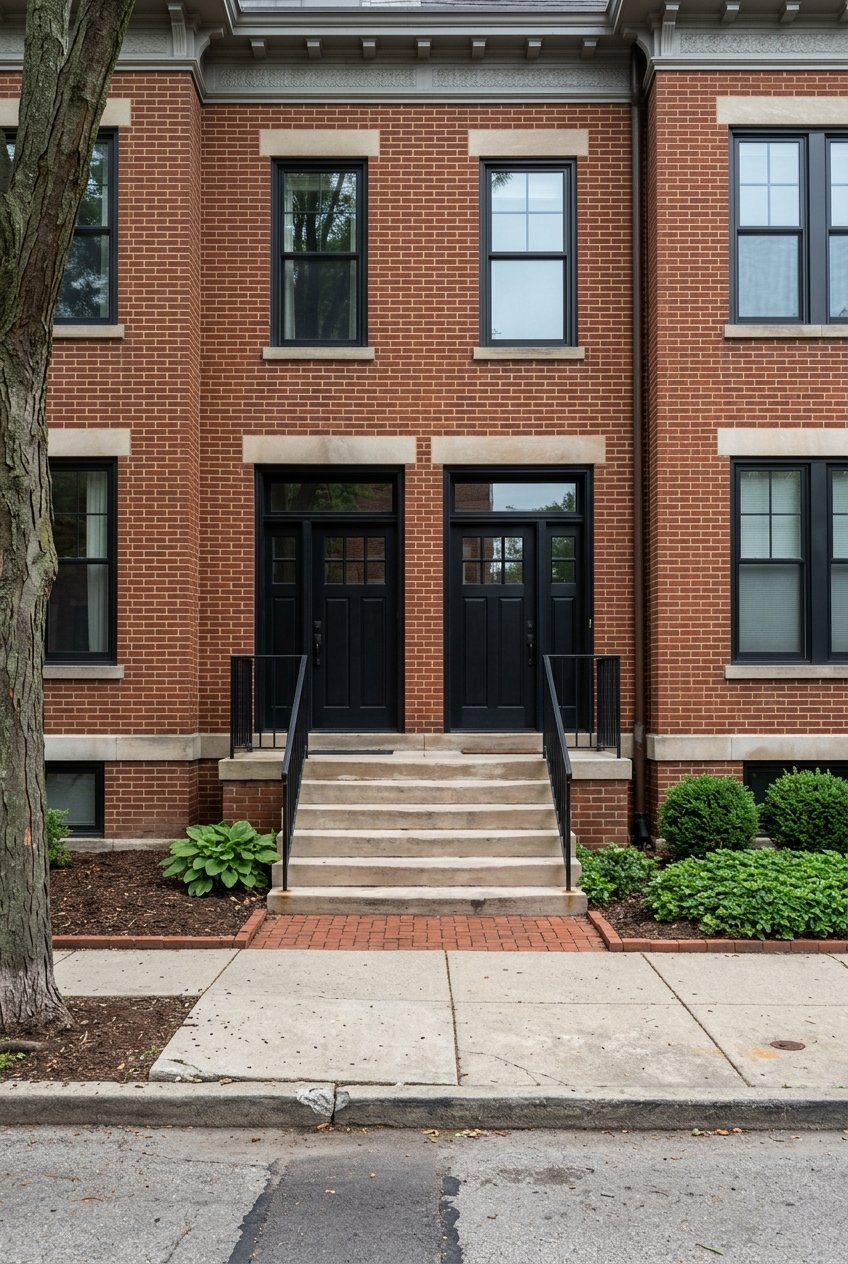
Soulard’s housing stock is one of the biggest reasons investors look here in the first place. The neighborhood developed mainly in the mid to late 19th century, and the City of St. Louis describes the area as being filled with mostly two-story brick buildings on narrow lots. Common styles include Federal, Transitional Federal, Italianate, and Second Empire.
You will also see row houses, half houses, early Greek Revival farmhouses, mansions, Charleston houses, flounder houses, back-to-back houses, and two-family homes. That variety can create opportunity, especially if you want a property with character that stands out in the rental market. It can also create complexity when you start planning updates.
Soulard has been a local historic district since 1972. Because of that, exterior changes are not handled the same way they would be in a newer neighborhood. If your investment plan includes visible improvements, you should expect another layer of review before work begins.
Why historic status changes the deal
Historic character can add value, but it also affects what you can change and how fast you can do it. Older layouts, brick construction, narrow lot widths, and original exterior details may limit easy reconfiguration. A project that looks simple on paper can become more involved once you account for preservation rules and the realities of older buildings.
This is especially important if your strategy depends on fast renovations or major exterior upgrades. In Soulard, the property’s historic identity is part of what makes it attractive, but it can also slow the path from acquisition to finished product.
That is why experienced investors usually treat Soulard as a historic value-add market, not a quick cosmetic flip environment. The reward can be strong, but the process often requires more planning, more patience, and more contingency.
Know the exterior permit rules
If you buy in Soulard, exterior work will likely go through the City of St. Louis Cultural Resources Office. According to the city’s historic district review guidance, permits are required for exterior work, with a limited exception for painting wood trim. The city also notes that some smaller projects can be approved through CRO Hotspot, many permits are approved within five working days, and larger or noncompliant projects may go to the Preservation Board.
The city’s building guidance makes clear that approval may be needed for a wide range of exterior items. That includes painting, gutters, downspouts, windows, doors, tuckpointing, fences, awnings, and similar work. If your pro forma assumes you can quickly replace windows, update doors, or refresh masonry without review, that assumption may be too aggressive.
Before you close, it helps to compare your renovation scope to the city’s review process. If the outside appearance is part of your plan, timing and approvals should be part of your investment math from day one.
Plan for occupancy inspections
St. Louis also requires a Residential Occupancy Permit, called a Housing Conservation Inspection, before a residential sale or rental unit can be occupied. This inspection covers minimum interior code violations and minimum exterior standards. For rental property, the city requires reinspection every three years or when occupancy changes.
That requirement matters for both timing and budget. Even if your renovation work is complete, you still need the property to satisfy occupancy standards before the next resident moves in. If you are buying a multi-unit or rental property, you should build this step into your schedule instead of treating it like an afterthought.
The city also states that no more than three unrelated persons may live in the same dwelling. If your rental strategy depends on a different occupancy setup, you need to account for that before you buy.
Watch for flood-area issues
Some Soulard properties may involve flood-area considerations. The City of St. Louis states that if a project is in a FEMA flood area, a Floodway Development Permit is required even when a building permit would not otherwise be needed.
This is one of those details that can be easy to miss early on. If you are comparing multiple properties, a flood-area issue can affect both timeline and project coordination. It is worth identifying up front so you are not surprised once renovation planning begins.
Budget for old-house health and safety work
Because Soulard has so many older homes, environmental planning should be part of your due diligence. The EPA states that homes built before 1978 are more likely to contain lead-based paint, and renovation work can create dangerous lead dust. When lead paint is disturbed in pre-1978 homes, lead-safe certified contractors are required.
Suspected asbestos materials should also be sampled by a trained, accredited professional before they are disturbed. For investors, this is more than a technical detail. It can affect contractor selection, work sequence, cost, and renovation timing.
In practical terms, you should assume that older historic housing may need a more careful renovation process than newer construction. If your budget only covers visible finishes, you may be underestimating what the project really needs.
Underwrite Soulard conservatively
In a neighborhood like Soulard, conservative underwriting is not pessimistic. It is smart. The buildings can be appealing, but the path to a finished and rentable product often includes more compliance steps and more hidden costs than a newer central-city property.
A conservative model should account for extra masonry and tuckpointing work, window and door expenses, lead-safe renovation requirements, and the possibility of longer review timelines. Those are not random add-ons. They are reasonable planning assumptions based on the neighborhood’s older building stock and the city’s historic district rules.
You should also be careful about how you treat incentives. They may help the return, but they should not be the only reason the deal works.
Understand historic tax credits
Missouri offers a Historic Preservation Tax Credit equal to 25% of Qualified Rehabilitation Expenditures for approved historic structures in St. Louis City. The Missouri Department of Economic Development states that the property must be a certified historic structure, and qualified rehabilitation expenditures must exceed 50% of the property basis. The state also updated program rules in 2024, so investors should confirm current eligibility with the Department of Economic Development and the State Historic Preservation Office before assuming credits in a pro forma.
There is also a federal rehabilitation credit of 20% for certified historic structures used in a business, commercial, or other income-producing use. The IRS states that owner-occupied residential properties do not qualify. If you are planning a primary residence with an owner-occupied setup, you should not assume the federal credit applies unless your deal structure clearly fits the federal rules.
The safest approach is to treat tax credits as upside, not base case. If the project works without them, you are in a stronger position. If the credits come through, that can improve the result rather than rescue the deal.
What a smart Soulard buy looks like
The best Soulard investment is not always the cheapest building or the one with the biggest before-and-after fantasy. Often, it is the property where the numbers still make sense after you account for review timelines, required inspections, and older-building costs.
Look for a deal where the neighborhood’s character supports long-term demand, the renovation scope is realistic, and your contingency is strong enough to absorb surprises. A good buy in Soulard usually balances charm and potential with discipline.
If you stay grounded in the local rules and underwrite carefully, historic property in Soulard can be a compelling part of your investment strategy. The key is respecting what makes the neighborhood special while making sure your numbers reflect the real work involved.
If you want help evaluating a Soulard opportunity, comparing value-add options, or finding the right investment fit in St. Louis, reach out to Mary Krummenacher for local guidance backed by hands-on market experience.
FAQs
What makes Soulard appealing for historic property investors?
- Soulard attracts attention because it combines historic housing, walkable amenities, the year-round Soulard Farmers Market, and a strong calendar of neighborhood events that can support renter interest.
What kinds of historic homes are common in Soulard?
- Soulard includes two-story brick homes on narrow lots, along with row houses, half houses, flounder houses, Charleston houses, two-family homes, and other 19th-century building types.
What exterior work on a Soulard property may need city approval?
- In Soulard’s historic district, exterior items such as windows, doors, tuckpointing, gutters, downspouts, fences, awnings, and some painting work may require review and approval from the City of St. Louis.
What occupancy rules should Soulard rental property investors know?
- St. Louis requires a Residential Occupancy Permit before a residential sale or rental unit can be occupied, with rental reinspections every three years or upon a change in occupancy.
What should investors budget for when renovating older Soulard homes?
- Investors should plan for possible masonry work, tuckpointing, window and door costs, lead-safe renovation requirements in pre-1978 homes, and potential asbestos testing before materials are disturbed.
Do historic tax credits apply to Soulard investment properties?
- Missouri and federal historic tax credits may apply in some cases, but eligibility depends on factors like property certification, qualified rehabilitation expenses, and whether the property is income-producing, so investors should verify current program requirements before relying on them.