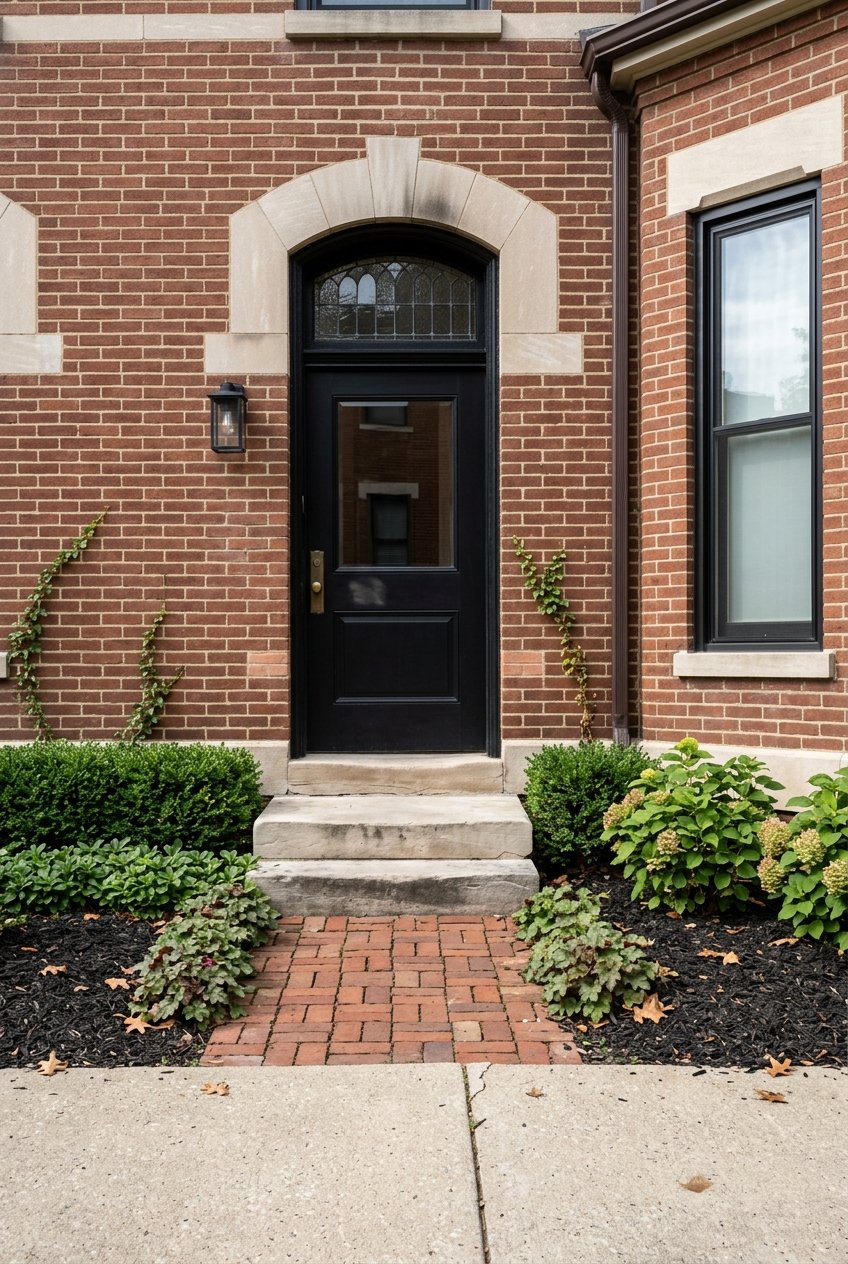
If you own a home in Shaw, or you are thinking about buying one, historic district rules can feel intimidating at first. You want to protect your property, make smart updates, and avoid surprises during a renovation or sale. The good news is that Shaw’s rules are not meant to stop change. They are meant to guide exterior changes so the neighborhood’s overall look stays consistent. Let’s dive in.
What Shaw’s historic district status means
Shaw is a Certified Local Historic District in the City of St. Louis, and it has held that status since 1985. That means exterior work on buildings in the neighborhood is reviewed by the city’s Cultural Resources Office, often called CRO.
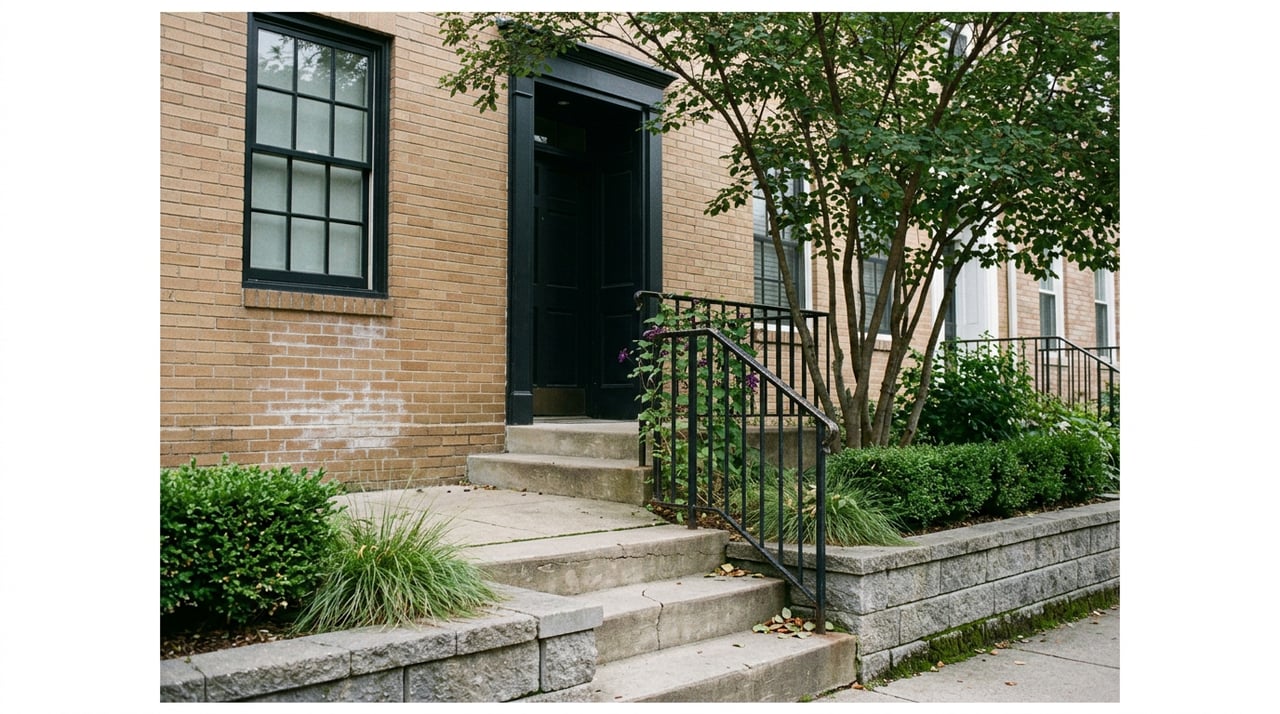
The purpose is not to freeze your home in time. Shaw’s standards are designed to protect the neighborhood’s visual continuity, including things like setbacks, scale, rooflines, porches, materials, and the overall streetscape.
For homeowners, that means your project may need review before work starts if it changes the outside of the property. For some owners, there may also be upside. Contributing buildings in a certified district can have access to the same benefits as National Register properties, including possible eligibility for state or federal historic preservation tax credits if program requirements are met.
Why the rules matter to homeowners
Historic district rules affect more than big renovations. They can shape your timeline, your material choices, and your budget for even fairly common exterior projects.
If you plan ahead, the process is often manageable. If you skip review and start work first, the city can stop the project, issue a citation, and refer the matter to Housing Court if you do not apply for a permit or contact the office within 30 days.
That is why Shaw homeowners benefit from treating exterior work as both a design project and an approval project. The earlier you confirm requirements, the easier it is to avoid delays and rework.
Which exterior changes usually need review
In Shaw, most exterior work in a City historic district requires review. The city’s guidance does show some inconsistency around paint, though.
One city FAQ says a historic-district property needs a permit for all exterior work except painting wood trim. Another city permit page lists exterior painting among the items that require approval in historic districts, along with gutters, downspouts, windows, doors, tuckpointing, fences, and awnings.
Because of that inconsistency, it is smart to verify any paint-related work directly with CRO before you begin. That quick step can save time, money, and frustration.
Front-facing changes get the closest review
Shaw’s standards are especially strict for the parts of a property people see from the street. New construction or major alterations to the front of a building that require a building permit must go through the city’s preservation review process.
The written standards mainly apply to front elevations, visible side elevations, and corner properties. Rear garages and outbuildings usually get less scrutiny, but they still need to be visually compatible with nearby buildings.
Common projects that may need approval
Many homeowners are surprised by how broad the review can be. Depending on the scope, approval may be needed for:
- Windows and doors
- Tuckpointing
- Gutters and downspouts
- Fences
- Awnings
- Decks
- Exterior painting
- Roofing visible from the street
- Porch repairs or alterations
If your project changes the exterior appearance, assume review may be required until CRO confirms otherwise.
What Shaw’s design standards look for
The district rules focus heavily on scale, materials, and compatibility. In plain terms, the city wants changes that fit the look and rhythm of the block.
For residential blocks, new or altered buildings should stay within 15% of the block’s average height. They should also match the established setback and spacing pattern of surrounding homes.
Materials matter
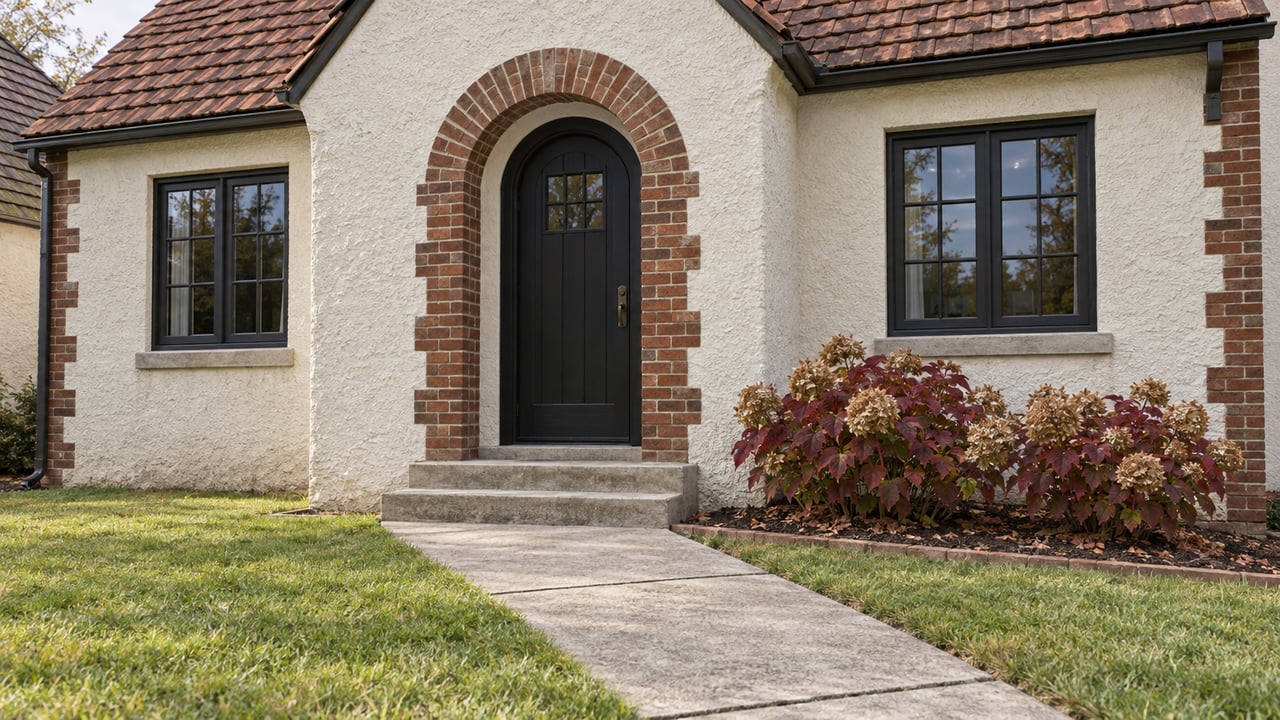
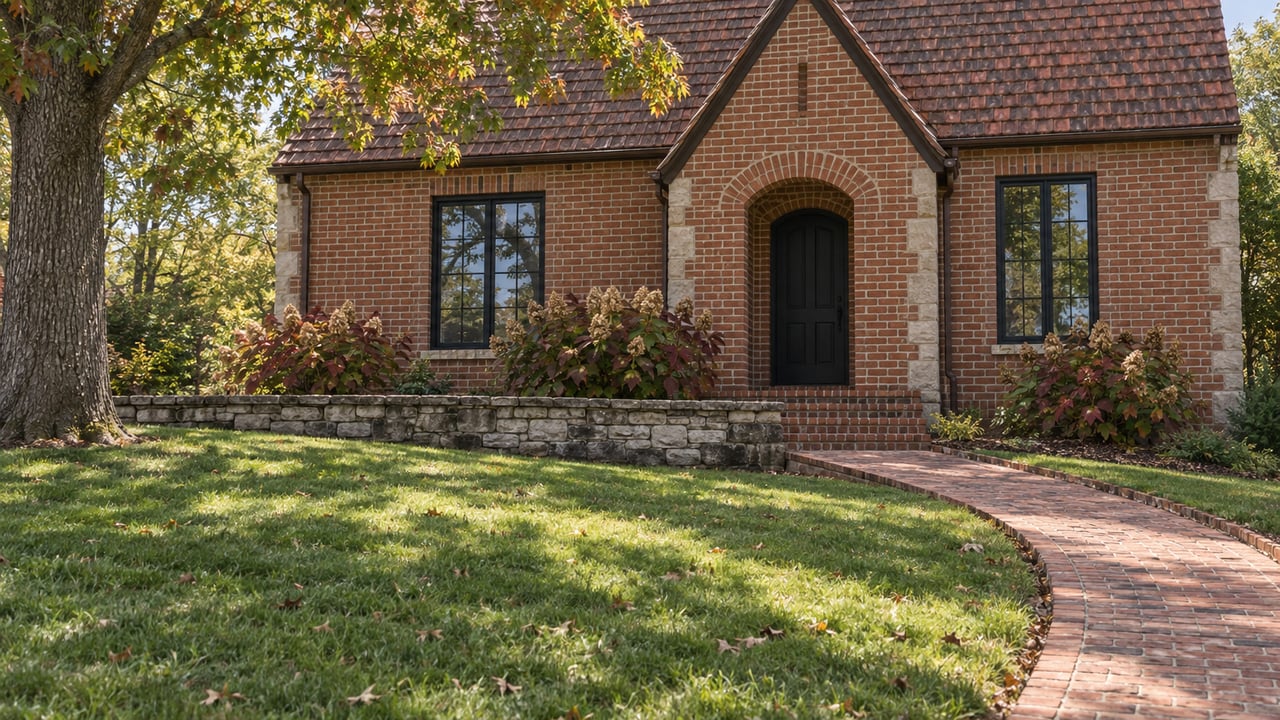
On visible front-facing areas, compatible materials include wood, brick, and stone. Shaw’s standards do not allow aluminum, steel, most siding, artificial masonry, or non-original stucco on visible façades.
That can have a real effect on renovation planning. A lower-cost, off-the-shelf product that might work elsewhere may not meet the district’s standards in Shaw.
Architectural details matter too
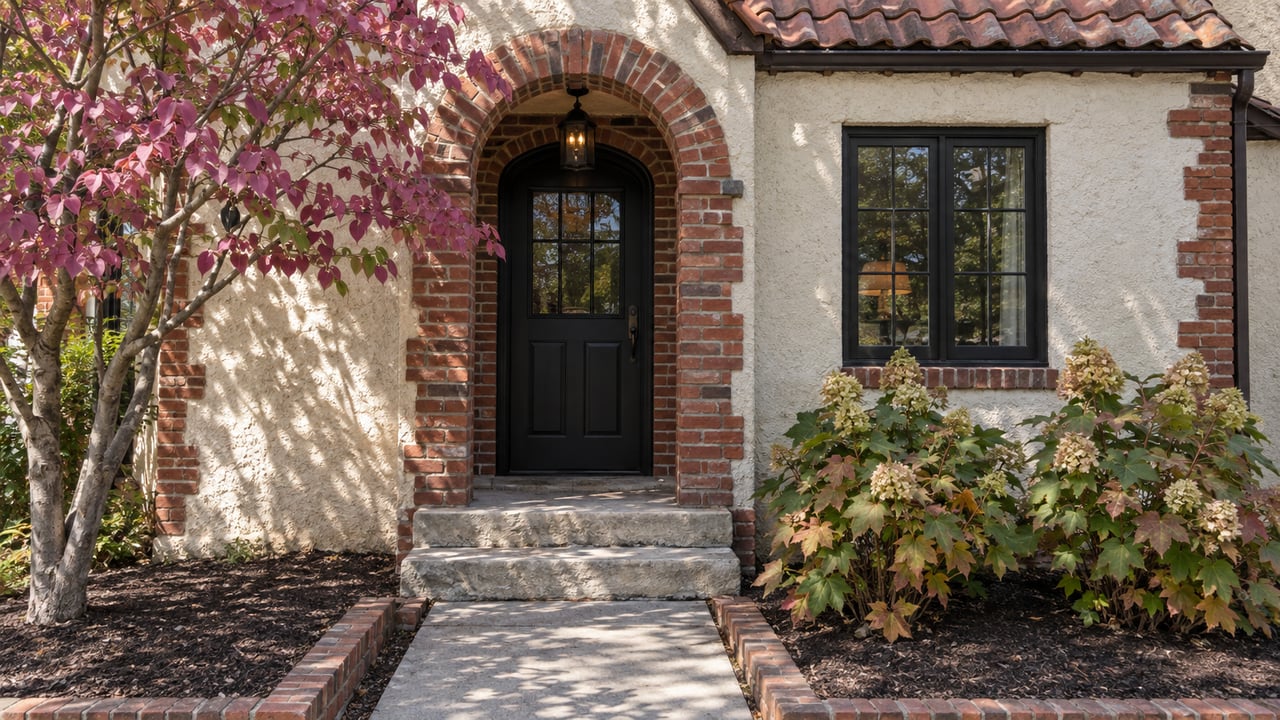
The standards also place value on original features. Porches, dormers, and bay windows should be preserved when possible.
Replacement windows and door frames are limited to wood or color-finished aluminum. Glass block is not allowed. Raw aluminum and visible metal awnings are not allowed, while canvas awnings are permitted.
Roofs and visible exterior elements must fit
Visible roof work generally needs to match the roof shape found on the block and use historically compatible materials. The goal is not exact replication in every case, but visual consistency.
That same idea carries through to other visible exterior elements. If something changes the street-facing character of the home, expect compatibility to be part of the review.
Site rules that can affect everyday use
Historic district standards are not limited to the house itself. They also shape how the lot is used and how exterior improvements are placed.
For example, front-yard fences are prohibited in Shaw. Side fences are limited to six feet in height.
Parking is encouraged behind the building line, and visible parking is preferred to be screened. The standards also encourage street trees and discourage major curb cuts.
The district also discourages converting single-family homes to multifamily use and places limits on density increases for existing two-family and four-family buildings. If you are considering a use change or value-add strategy, it is especially important to review the standards early.
How the approval process works
For many homeowners, the approval process is simpler than expected. Building Division applications in historic districts are automatically referred to CRO for review.
If the application meets the standards, approval usually happens within a few days unless the office needs more information. Some smaller projects, such as decks and fences, may be approved over the counter through CRO Hotspot.
Preliminary Review can save time
If your project is larger or more complex, you can request a no-cost Preliminary Review. CRO says it responds within three business days.
This early step can help you spot issues before you spend more on final plans or materials. It is one of the smartest ways to keep a Shaw project moving.
Some projects may go before the Preservation Board
Major development projects and most new construction within historic districts may still need Preservation Board review. The Board generally meets on the fourth Monday of each month.
That schedule can matter if your project is time-sensitive. It can also matter if a proposal is unusual, involves an appeal, or raises compatibility questions.
How Shaw rules can affect your budget
Historic district standards often shape cost as much as design. Because visible exterior work needs to fit the district, homeowners may need more custom carpentry, masonry repair, or historically compatible windows, roofs, fences, and awnings.
That does not always mean a project becomes unmanageable. It does mean that budgeting for Shaw should include room for materials and craftsmanship that align with the standards.
If you are buying a home in Shaw with renovation plans, this is worth discussing before closing. A lower purchase price can look different once you account for district-compliant exterior work.
Tax credits may help some projects
There may be financial upside for the right property and project. Because Shaw is one of the city’s certified local historic districts, contributing buildings can qualify for state or federal historic preservation tax credits if they meet program rules.
In St. Louis City, Missouri’s state credit is 25% of qualified rehabilitation expenditures for owner-occupied homes and commercial properties. The federal credit is 20%, but it applies only to income-producing properties, not owner-occupied homes.
It is also important to know that local preservation boards do not approve historic tax credits. If tax credits are part of your plan, make sure your project is structured around the program requirements from the start.
What this means when you sell a Shaw home
For resale, historic district status is not automatically a drawback. In many cases, preservation standards can support buyer confidence because they help maintain the look and feel of the surrounding streetscape.
Just as important, organized records can make your sale easier. If you have completed approved exterior work, keep your approval letters, stamped plans, and material specifications with your property records.
That paperwork helps buyers understand what was done, what was approved, and what may still need review in the future. In a neighborhood like Shaw, that clarity can reduce uncertainty during negotiations.
Smart steps before starting work
If you are planning exterior updates in Shaw, a little preparation goes a long way. Before hiring contractors or ordering materials, start with a simple checklist:
- Define the full scope of exterior work
- Confirm whether CRO review is required
- Ask specifically about paint if your project includes it
- Gather drawings, dimensions, and material details
- Consider a Preliminary Review for larger projects
- Build extra time into your schedule if Board review may be needed
- Save all approvals and stamped plans for future resale
The bottom line is simple. Shaw does not ban renovation, but it does reward planning, compatible design, and early coordination with the city.
If you are buying, selling, or weighing renovation potential in Shaw, having local guidance can make the process much clearer. Reach out to Mary Krummenacher for practical advice on how historic district rules may affect your goals.
FAQs
What do Shaw historic district rules mean for exterior home projects?
- In Shaw, most exterior work is reviewed by the City of St. Louis Cultural Resources Office to make sure changes fit the district’s standards for things like materials, scale, and street-facing appearance.
Do Shaw homeowners need approval before painting a house exterior?
- Possibly. City guidance is inconsistent on paint, so homeowners should confirm paint-related work directly with CRO before starting.
Are front-yard fences allowed in Shaw?
- No. Shaw’s historic district standards prohibit front-yard fences, and side fences are limited to six feet in height.
How long does historic district approval take in Shaw?
- Many compliant applications are approved within a few days, while Preliminary Review responses are generally provided within three business days. Larger or more complex projects may take longer if Preservation Board review is required.
Can Shaw homeowners get historic tax credits?
- Some can. Contributing buildings in Shaw may qualify for state or federal historic preservation tax credits if they meet program rules. Missouri’s state credit can apply to owner-occupied homes in St. Louis City, while the federal credit applies only to income-producing properties.