Buying your first home in University City can feel exciting and a little overwhelming. You might be wondering what a realistic budget looks like, how condos compare to small houses, and what you should plan for beyond the purchase price. This guide gives you clear numbers, local context, and a step-by-step plan tailored to University City so you can move forward with confidence. Let’s dive in.
What a starter home costs in University City
Prices vary by source and date, so it helps to look at a few trackers. The median sale price was about $306,500 (Redfin, Jan 2026). Zillow’s home value index showed roughly $255,000 (Dec 2025), while Realtor.com’s median list price was near $259,900 (Dec 2025). These differences reflect timing, methodology, and which homes are included.
For first-time buyers, here is a practical early-2026 snapshot:
- Condos and small townhomes: about $125,000 to $360,000 for many 1 to 2 bedroom units. HOA dues vary widely by building and services, often around $300 to $830 per month. Always include the HOA when comparing loan payments.
- Small single-family homes: about $200,000 to $400,000 for bungalows, ranches, and modest 2 to 3 bedroom houses. Many starter homes land in the low-to-mid $200,000s to low $300,000s, depending on the block, condition, and recent updates.
Inventory can shift month to month. Some pockets see competitive activity, while others move more steadily. If you are pre-approved and clear on your must-haves, you can act quickly when the right home appears.
Where starter homes are and what they look like
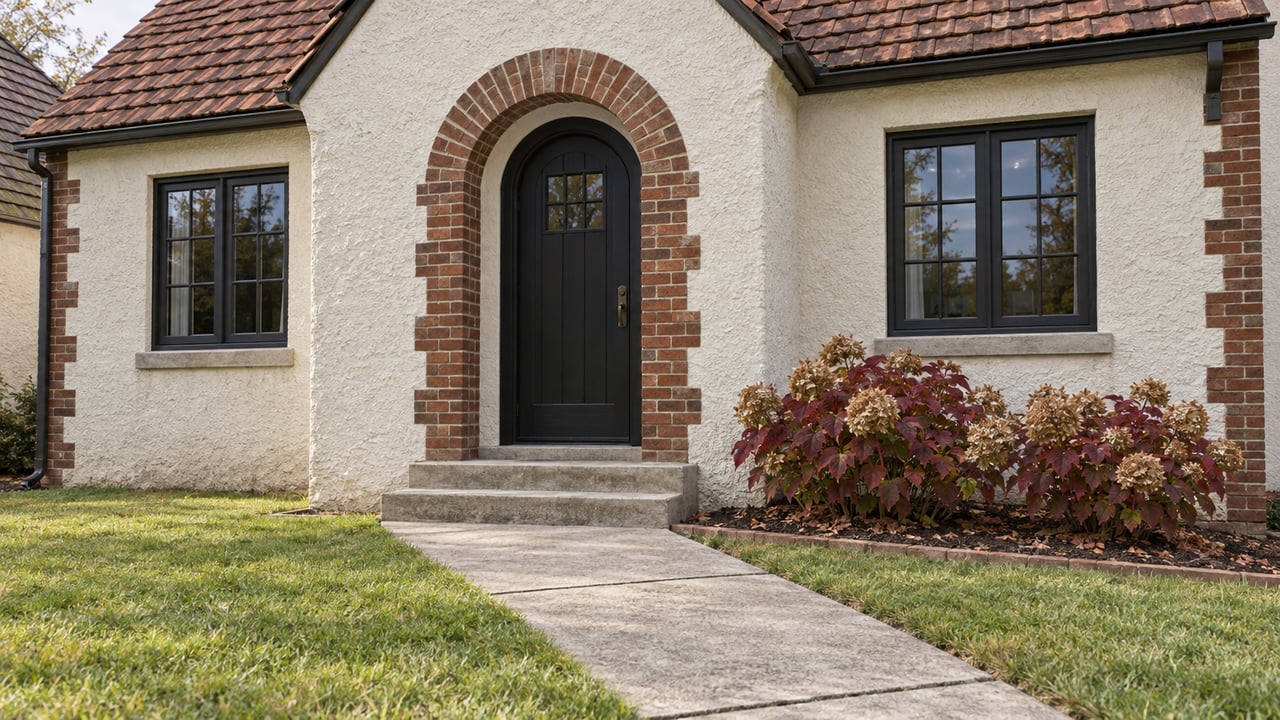
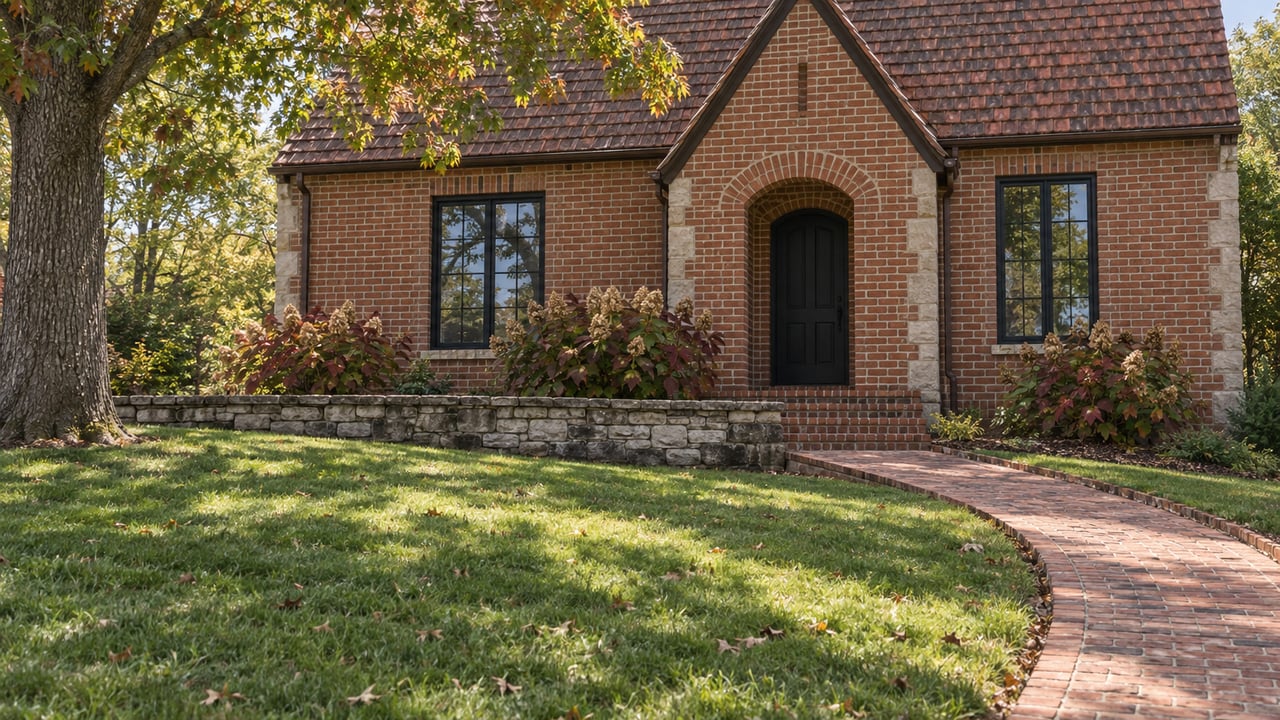
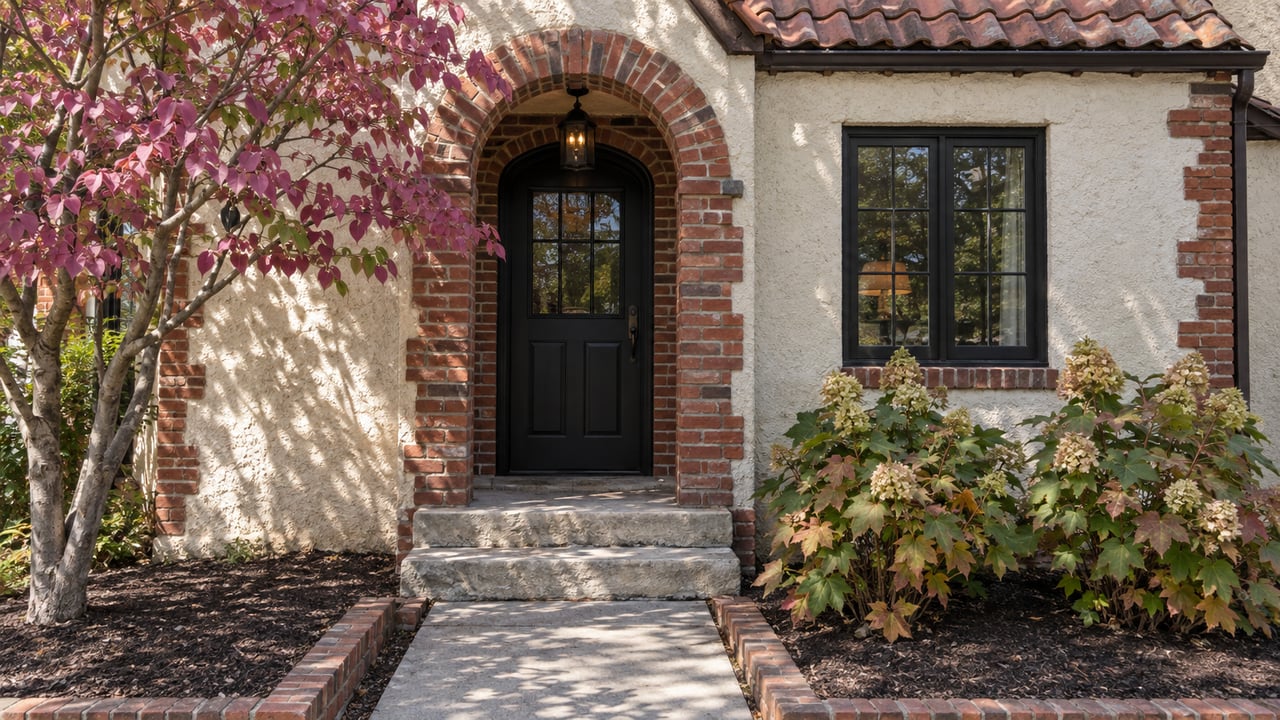
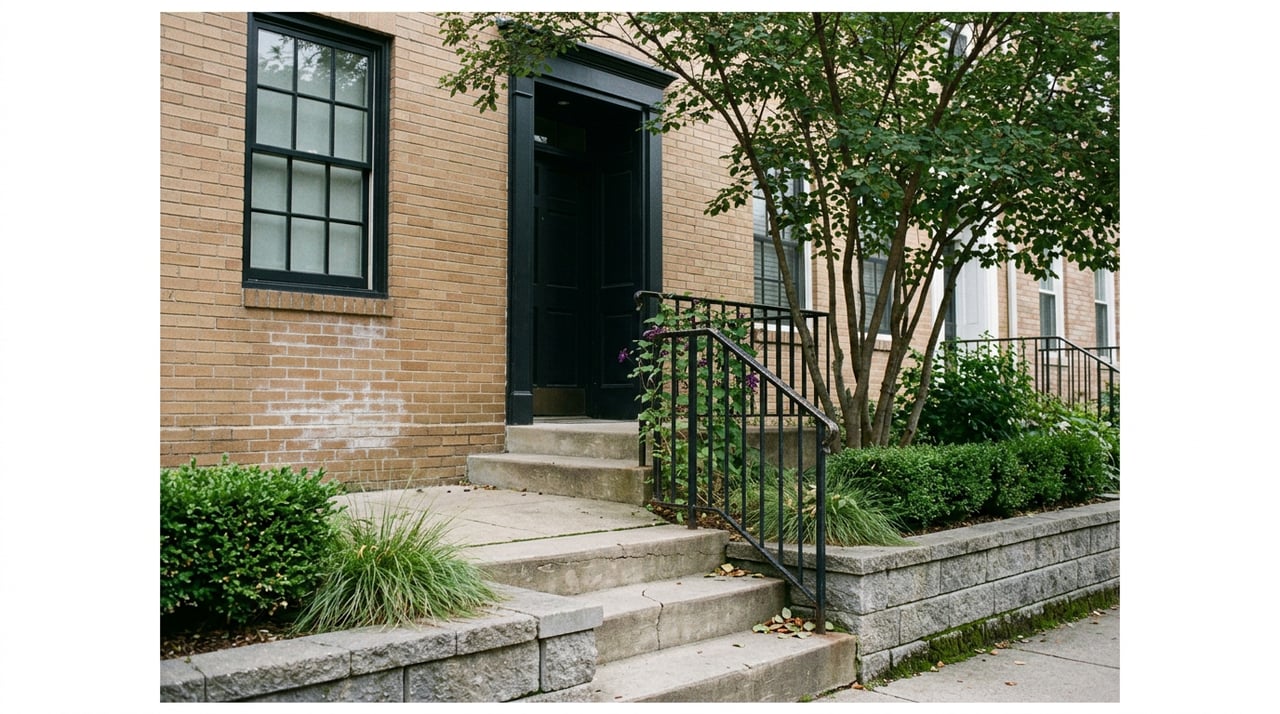
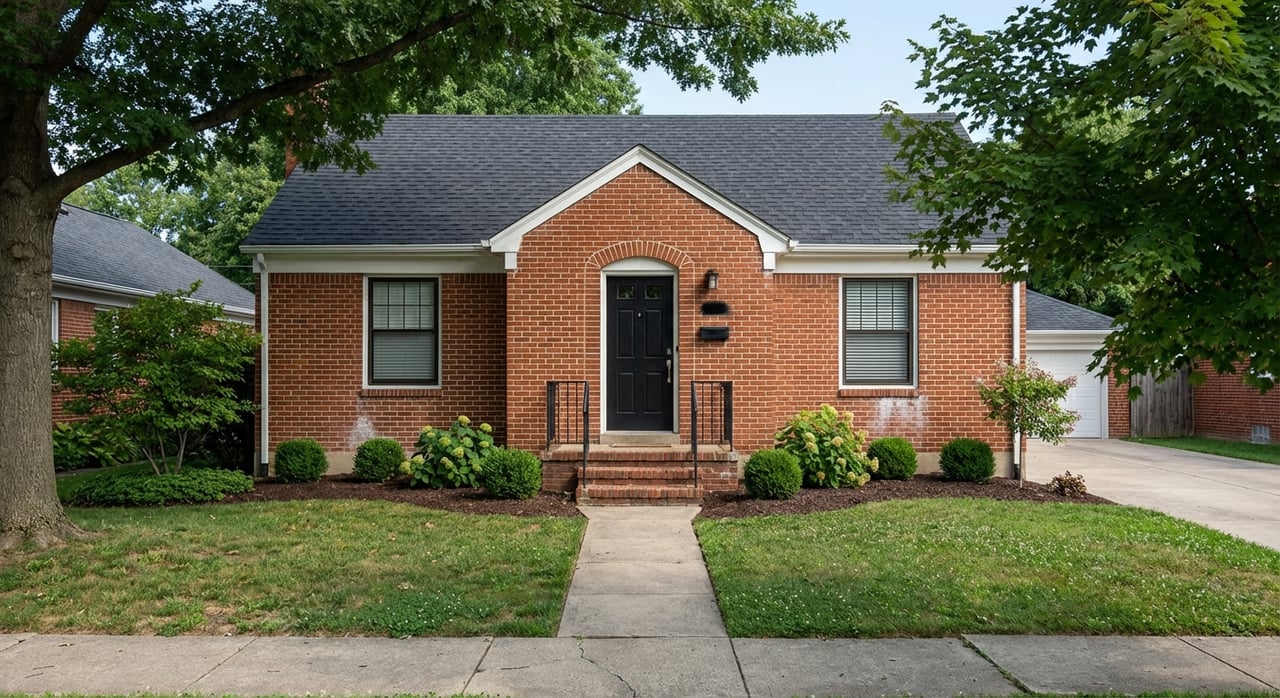
University City’s housing stock spans early 20th century through mid-century construction. South of Delmar, you’ll see larger Tudor Revival and Colonial Revival homes. North and in outer pockets, you’ll find smaller brick bungalows, post-war ranches, and cottages that often fit starter budgets. Around the Delmar Loop, you’ll see a mix of older multi-unit buildings and condo options documented in the area’s historic notes on styles like Craftsman and Tudor Revival.
Entry-level condos typically offer 1 to 2 bedrooms with roughly 600 to 1,450 square feet, sometimes with assigned parking. HOA fees usually cover exterior maintenance, common area insurance, and may include some utilities or parking. Smaller single-family homes often range from about 900 to 1,600 square feet with 2 to 3 bedrooms and 1 to 2 baths.
Many homes are solid but may need updates to kitchens, baths, HVAC, or electrical systems. Newer infill construction exists but is less common than renovations of older properties. Because many homes were built before 1978, plan for lead-based paint disclosures and consider testing as part of your due diligence.
Commute, transit, and daily convenience
Light rail access is a big plus for many buyers. The MetroLink Blue Line serves University City through nearby stations like Skinker and University City–Big Bend. If transit is important to you, blocks near these stations are worth a close look for convenience to work or the Washington University Danforth campus. You can review schedules and updates on the Skinker MetroLink Station page.
Walkability varies by block. The Delmar Loop is one of the area’s most walkable corridors with restaurants, entertainment, and local amenities. Residential streets farther from Delmar are generally quieter and may require short drives for daily errands.
For schools, University City is served by University City Schools. If schools factor into your decision, explore neutral data and programs through resources like GreatSchools’ University City page. Always cross-check information and visit schools to understand fit and offerings.
Budget beyond price: closing costs and taxes
Buying costs more than your down payment. Typical buyer closing costs run about 2 to 5 percent of the purchase price, depending on your loan type, title fees, taxes, and prepaid items. Bankrate’s overview of closing costs is a good primer and can help you plan.
Here is a simple example. On a $300,000 purchase, a 3 percent estimate equals about $9,000 in closing costs. Your lender will provide a Loan Estimate so you can compare exact fees, interest rate, and monthly payment across lenders.
Missouri assesses residential property at 19 percent of market value, then local levies are applied to the assessed value. You can review the assessment ratio on the Missouri State Tax Commission site. University City’s effective property tax rate is often summarized around the low 1 percent range in third-party overviews. For planning, third-party summaries place many homes near about 1.3 to 1.4 percent of market value, but always calculate using an actual bill or a county tool. Regional summaries like property-tax.info can provide helpful context.
As a rough example only, if a home is $300,000 and the effective rate were 1.35 percent, the annual tax would be about $4,050. Your actual tax will depend on assessment details, levies, and any updates to rates, so confirm numbers on a specific property before you finalize your budget.
Smart financing for first-time buyers
Get fully pre-approved before you tour seriously. This shows sellers you are ready and clarifies your max budget and likely payment.
Common first-time buyer loans include:
- Conventional with low down payment: Many buyers use 3 percent down options like Fannie Mae HomeReady and Freddie Mac Home Possible. See an overview of program basics and income rules in this HomeReady guide. Your lender will advise on eligibility and local limits.
- FHA: Often 3.5 percent down for eligible borrowers, with flexible credit guidelines. FHA can be helpful for condos or homes that need light updates but confirm property standards with your lender.
- VA: For eligible veterans and service members, often with no down payment.
- USDA: For eligible rural areas. Most of University City will not qualify, but USDA can help if you expand your search to eligible pockets beyond the core metro.
Missouri offers statewide down payment help through the Missouri Housing Development Commission (MHDC). Programs like First Place and Next Step pair fixed-rate mortgages with optional forgivable assistance, often up to a percentage of the loan amount as a second lien that forgives over time when you meet program conditions. Start with the MHDC homebuyer programs and an MHDC-certified lender to review current income and purchase price limits.
Local organizations in the St. Louis area also administer down payment assistance. Funds are limited and can be first-come, first-served, and many programs require homebuyer education and inspections. A local guide, such as the Beyond Housing program overview in the Homebuyer Team packet, outlines eligibility steps and inspection requirements. Ask early so you can align timelines with your purchase.
Inspections and older-home must-knows
With older housing stock, plan a thorough inspection package during your contract contingency period:
- General home inspection to evaluate major systems, roof, structure, and safety issues.
- Radon test. The St. Louis region shows moderate to high radon potential in many areas. Short-term tests during contingency are standard, and mitigation is recommended if levels exceed 4.0 pCi/L. Review guidance in the EPA radon report.
- Lead-based paint considerations for homes built before 1978. Federal rules require disclosure, and additional testing or remediation can be prudent, especially for households with young children or pregnant occupants. See this public health overview of lead policies and best practices on PMC.
- Sewer and lateral line inspection, plus termite or pest checks if indicated by the general inspection.
- HVAC, chimney, and roof evaluations when condition is uncertain. If you plan renovations, ask about possible asbestos in older materials and test before you disturb anything.
If you are buying a condo, review the HOA’s budget, reserves, and any special assessment history. Healthy reserves reduce the risk of sudden assessments for major repairs.
A simple step-by-step game plan
Use this path to stay organized and confident:
- Get pre-approved and discuss loan types. Ask about 3 percent down conventional, FHA, VA, or USDA, and whether you qualify for MHDC or local assistance.
- Set your budget framework. Plan for down payment, closing costs at about 2 to 5 percent of price, and first-year reserves for taxes, insurance, and maintenance.
- Clarify must-haves and nice-to-haves. Decide if you prefer condo convenience near the Loop or a small single-family home on a quieter street.
- Tour with intent. Compare HOA dues and services for condos, and weigh condition and update needs for older homes.
- Write a strong offer. Lean on your agent to align price, terms, and contingencies with current market pace in your target micro-areas.
- Complete inspections and negotiate repairs or credits. If using DPA, confirm any required municipal or program inspections to keep closing on track.
- Finalize loan and close. Review your Closing Disclosure carefully, wire funds securely, and schedule utilities and move-in.
Is University City right for you?
If you want character-rich housing, quick access to the Delmar Loop, and proximity to Washington University and MetroLink, University City can be an excellent first-home market. Condos offer approachable entry points, while smaller single-family homes can deliver space and long-term value. Close attention to HOA dues, inspection findings, and taxes will help you make a smart, sustainable decision.
If you are ready to take the next step, our team can help you compare neighborhoods, line up financing options, and move from search to keys with confidence. Reach out to Mary Krummenacher to get started.
FAQs
What is a realistic first-home budget in University City?
- As of early 2026, many first-time buyers target about $125,000 to $360,000 for condos and $200,000 to $400,000 for small single-family homes, with exact fit based on location, condition, and HOA dues.
How walkable is University City and where should I focus?
- Walkability varies by block; the Delmar Loop is one of the most walkable corridors, while streets farther from Delmar are quieter and typically more car-dependent.
Which transit options help my commute to Washington University?
- The MetroLink Blue Line serves nearby stations like Skinker and University City–Big Bend, offering quick access to the Danforth campus and central job hubs; see the Skinker Station page for schedules.
How much should I plan for closing costs in St. Louis County?
- Plan for about 2 to 5 percent of the purchase price in buyer-side costs; Bankrate’s guide explains typical items and how to compare Loan Estimates.
What down payment assistance is available in Missouri and St. Louis?
- The MHDC offers statewide programs that pair fixed-rate loans with forgivable assistance; local providers like Beyond Housing administer funds detailed in this program packet and often require counseling.
What inspections are most important for older homes in University City?
- A general inspection plus radon, lead-based paint considerations for pre-1978 homes, and sewer lateral checks are common; see the EPA radon report and lead policy overview for context.
How do property taxes work in University City, MO?
- Missouri assesses residential property at 19 percent of market value before local levies; review the state guidance and regional context at property-tax.info to estimate a specific home’s bill.